
How Technology Is Stealing Your Sleep (And How to Take It Back)
The surprising ways your devices disrupt your rest—and the smart habits that can help you reclaim your nights.

The surprising ways your devices disrupt your rest—and the smart habits that can help you reclaim your nights.
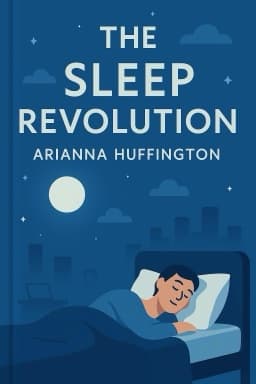
It’s midnight. You’re in bed, scrolling through your phone, promising yourself ‘just one more video.’ Sound familiar? You’re not alone. The digital revolution has brought incredible convenience and connection, but it’s also created a perfect storm for sleep disruption. In The Sleep Revolution, Arianna Huffington makes it clear: our devices are both a blessing and a curse when it comes to rest.
Blue light from screens tricks your brain into thinking it’s daytime, suppressing the release of melatonin—the hormone that signals it’s time to sleep. Even a few minutes of late-night scrolling can delay sleep, reduce its quality, and leave you feeling groggy in the morning. Add to that the constant pings of notifications, the lure of endless content, and the pressure to stay connected, and it’s no wonder so many people struggle to wind down.
The booming sleep industry offers no shortage of solutions: sleep trackers, meditation apps, smart beds, and even sleep-inducing headphones. While some of these tools can help, many people fall into the trap of relying on quick fixes—like sleeping pills—that offer only temporary relief and can come with serious side effects.
So, what’s the answer? Experts recommend a digital detox before bed: set a ‘tech curfew’ at least 30 minutes before sleep, keep devices out of the bedroom, and use features like night mode to reduce blue light. Replace late-night screen time with analog rituals—reading a book, journaling, or gentle stretching. These simple habits can make a world of difference, helping you fall asleep faster and wake up more refreshed.
Ultimately, technology is a tool—and it’s up to us to use it wisely. By setting boundaries and embracing mindful routines, you can take back your nights and rediscover the healing power of sleep.
Want to explore more insights from this book?
Read the full book summary