
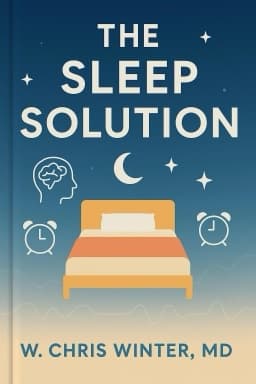
7 Surprising Facts About Sleep That Will Change How You Rest Tonight
Unlocking the Mysteries of Sleep—From Brain Cleaning to Dream Cycles

Unlocking the Mysteries of Sleep—From Brain Cleaning to Dream Cycles
Sleep is not simply a passive state—it's a vibrant, essential process that shapes every aspect of your health. Did you know that while you sleep, your brain activates a unique cleaning system called the glymphatic system? This system removes toxic waste, like amyloid beta, which is linked to Alzheimer’s disease. Imagine your brain’s janitorial crew working the night shift, sweeping away the debris of the day so you awaken refreshed and clear-minded.
But sleep is also a biological drive that cannot be denied. No matter how much you try to resist, your body will eventually win—forcing you into brief, uncontrollable microsleeps if you push past your limits. This is why sleep deprivation records are no longer accepted by organizations like Guinness; the health risks are simply too great.
Your physical health is deeply tied to sleep. A single night of poor sleep disrupts the delicate balance of hunger hormones—ghrelin rises, making you ravenous, while leptin drops, leaving you unsatisfied. Over time, this can lead to weight gain, diabetes, and even heart disease. Your immune system is also weakened, leaving you more vulnerable to illness.
Yet, perhaps the most misunderstood aspect of sleep is insomnia. Many people believe they are awake all night, but sleep studies reveal they are getting more rest than they realize. This paradoxical insomnia is fueled by anxiety and negative beliefs, creating a cycle that’s hard to break without changing your mindset.
Understanding the stages of sleep—light, deep, and REM—can help you appreciate why some nights feel more restful than others. Deep sleep is when your body heals, releasing growth hormone and repairing tissues, while REM sleep is the playground of dreams, helping you process emotions and memories.
To reclaim your nights, create a sleep sanctuary: keep your bedroom cool, dark, and quiet, and establish calming routines. Behavioral therapies, like CBT-I, are more effective than pills for chronic insomnia, and a consistent wake-up time anchors your body’s clock.
For those facing shift work or travel, practical strategies—like strategic light exposure and strict routines—can help protect your sleep, but don’t hesitate to seek professional help if you struggle with persistent issues.
Embrace sleep as a journey, not a destination. Each night is a chance to heal, grow, and awaken to a brighter tomorrow.
Want to explore more insights from this book?
Read the full book summary