
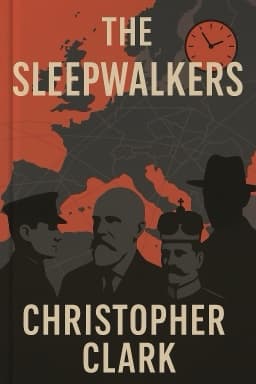
July 1914: The Week That Walked Europe Into War
A tense countdown of decisions, ultimatums, and mobilizations that ignited the Great War.

The assassination of Archduke Franz Ferdinand in Sarajevo was the spark, but the tinder was already dry. The following days saw a whirlwind of telegrams, ultimatums, and mobilizations that pushed Europe toward catastrophe. Austria-Hungary’s ultimatum to Serbia was crafted with demands so severe that rejection was almost certain.
Serbia’s reply was conciliatory but incomplete, leading Austria-Hungary to declare war. Russia mobilized to defend its Slavic ally, prompting Germany to activate war plans. Britain, bound by treaty to protect Belgian neutrality, soon entered the conflict.
Leaders made decisions under immense pressure, often with incomplete information and deep mistrust. The momentum of mobilization created a point of no return.
Understanding the July Crisis is key to grasping how the First World War began — a tragic sequence of choices, miscalculations, and rigid systems that led millions to war.
Our final blogs will reflect on the war’s human cost and enduring legacy, drawing lessons for today.
Sources: 2 , 4
Want to explore more insights from this book?
Read the full book summary