
The Spectacle and You: How Capitalism’s Image Machine Shapes Your Mind
Understanding the Psychological Impact of Living in a Society Dominated by Spectacle

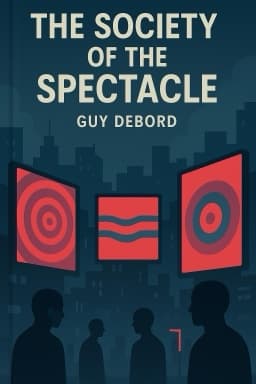
Have you ever wondered why despite endless choices and information, you sometimes feel disconnected, anxious, or passive? Guy Debord’s The Society of the Spectacle offers a powerful explanation: the spectacle shapes not just society but your very mind, molding desires, perceptions, and social relations through images.
The spectacle creates false needs by bombarding individuals with idealized lifestyles and commodities they never truly require. This constant image consumption fosters alienation, where people become spectators of their own lives instead of active participants. Celebrity culture exemplifies this, offering shallow role models that mask deeper social contradictions.
Advertising exploits psychological triggers, creating desires linked to identity and status, perpetuating a cycle of consumption and dissatisfaction. The spectacle’s ideology reinforces passivity by presenting the dominant order as natural and unchangeable, suppressing critical thought and resistance.
However, awareness is the first step to reclaiming autonomy. By critically engaging with media, fostering genuine social connections, and resisting passive consumption, individuals can break the spectacle’s grip. For instance, community art projects, grassroots communication, and alternative media provide spaces for authentic expression and connection.
Understanding the spectacle’s psychological impact empowers us to reclaim our minds and lives, transforming from mere spectators to active creators of social reality.
In the following posts, we will explore how the spectacle controls physical spaces and urban life, shaping the environments we inhabit.
Want to explore more insights from this book?
Read the full book summary