
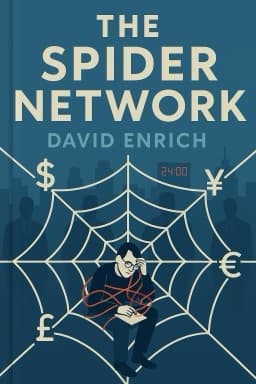
The Spider Network: The Book, the Movie, and the Myths—Why This Story Still Captivates Us
Why the Libor scandal’s wild ride has inspired books, films, and endless fascination.

Why the Libor scandal’s wild ride has inspired books, films, and endless fascination.
True crime isn’t just about murders or heists—it’s about the secrets that shape our world. 'The Spider Network' has become a touchstone for anyone fascinated by the hidden workings of finance, the psychology of greed, and the drama of real-life scandal. David Enrich’s book reads like a thriller, with eccentric characters, high-stakes gambles, and twists worthy of Hollywood. It’s no wonder the story has sparked interest in film adaptations and endless debate among readers and critics alike.
What makes the Libor story so compelling is its universal themes: trust betrayed, ambition run wild, and the search for redemption. The cast of real-life characters—math geniuses, rogue traders, colorful brokers—seem pulled from fiction, but their actions had consequences for millions. The myth and reality of Tom Hayes, the enigmatic antihero, continues to provoke sympathy and outrage in equal measure.
Critical reception of the book has been strong, with reviewers praising its narrative flair and depth of reporting. Yet, myths persist: that the scandal was the work of a few bad apples, or that regulation alone can prevent future crises. The truth, as the book shows, is more complex—and more human. The story endures because it reminds us that behind every headline is a web of choices, consequences, and the possibility of change.
'The Spider Network' is not just a book or a movie—it is a mirror, reflecting our hopes, fears, and the timeless struggle between good and evil in the world of money.
Want to explore more insights from this book?
Read the full book summary