
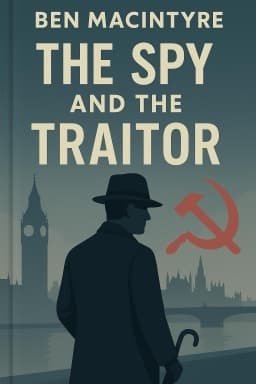
From Shadows to Scandals: How the Venlo Incident and Double Cross System Changed WWII Espionage
Unveiling the hidden battles of intelligence that shaped the outcome of World War II.

World War II was fought not only on battlefields but in the shadows of espionage and counterintelligence. Among the many dramatic episodes, the Venlo Incident stands out as a stark reminder of the perils of spycraft. British agents, lured into a trap under the guise of secret negotiations, were captured, compromising operations and networks. This failure exposed the fragility of intelligence efforts and led to a reevaluation of tactics and security.
In response to such setbacks, the British intelligence community developed the ingenious Double Cross system. Captured German spies were turned into double agents, feeding carefully crafted misinformation back to their handlers. This deception played a vital role in major operations, including the success of the D-Day invasion, by misleading Nazi forces about Allied intentions.
The interplay between failure and innovation in these episodes highlights the complexity and danger inherent in espionage. Every move carried the risk of exposure, yet the rewards could alter the course of history. The lessons learned continue to inform modern intelligence practices.
For those fascinated by wartime history and spycraft, these stories offer a window into the high-stakes world where secrets were weapons and deception a survival skill.
Sources: Aspen Institute Book Review 1 , The Guardian Review 3 , Instaread Insights 2
Want to explore more insights from this book?
Read the full book summary