
Can We Trust the Network? The Dark Side of Connectivity
How Our Greatest Strength Became Our Biggest Risk

How Our Greatest Strength Became Our Biggest Risk
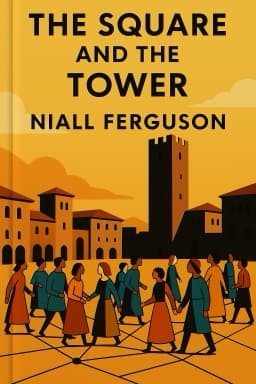
It’s easy to celebrate the power of networks, but what happens when those connections turn against us? 'The Square and the Tower' by Niall Ferguson is a wake-up call: the very systems that make us stronger can also make us fragile. In today’s digital world, a single cyberattack can ripple through networks, shutting down hospitals, disrupting markets, and spreading panic.
Ferguson draws chilling parallels between the past and present. In the Middle Ages, the same trade routes that carried silk and spices to Europe also brought the Black Death. Now, our digital highways carry both opportunity and risk. Zero-day attacks—where hackers exploit unknown software flaws—can cripple entire infrastructures before anyone knows there’s a problem. State-sponsored hackers wage invisible wars, stealing secrets and influencing elections from afar.
The lesson? Resilience. Ferguson urges us to build systems that can withstand attack: redundancy, rapid response, and security protocols are more important than ever. Just as ancient cities built walls and watchtowers, today’s societies must defend their digital borders.
But resilience isn’t just about technology. It’s about people: building trust, sharing information, and responding quickly to threats. The future will belong to those who can navigate the dangers of connectivity without losing its benefits.
If you want to survive and thrive in the networked age, don’t just build connections—build defenses.
References: LSE Review of Books, Deirdre McCloskey’s review, Blinkist 1 4 3
Want to explore more insights from this book?
Read the full book summary