
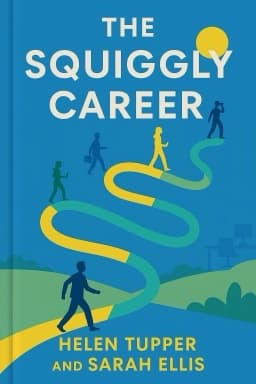
Why the Traditional Career Ladder is Dead — And What to Do Instead
Discover how the classic linear career path is obsolete and why embracing a squiggly, flexible approach is your key to success.

For decades, the career ladder has been a trusted metaphor: start at the bottom, work hard, climb step by step, and reach the top. But today, this model is no longer realistic. The world of work has transformed, shaped by rapid technological change, shifting economic landscapes, and evolving workforce demographics.
One major driver of this change is the presence of five generations working side by side, each with different values and expectations. From traditionalists who continue working past retirement age to Gen Z entering the workforce with fresh perspectives, this diversity demands new approaches to career development. Additionally, the average person spends roughly 90,000 hours at work in their lifetime, making it crucial to design a career that is fulfilling and sustainable.
Work today is volatile, uncertain, complex, and ambiguous (VUCA). This environment requires adaptability, curiosity, and a commitment to lifelong learning. The squiggly career acknowledges that you will likely change roles, industries, and even careers multiple times. Rather than fearing this unpredictability, embracing it opens doors to growth and fulfillment.
So, what does this mean for you? First, take ownership of your career. No one else will care as much as you do. Develop your unique super strengths, understand your core values, and build confidence to face challenges head-on. Design your own operating system — how you work, when you work, and where you work — to maintain balance and productivity.
In the next blog, we'll dive deeper into discovering and harnessing your super strengths to fuel your squiggly career journey.
Sources: Summary of The Squiggly Career by Helen Tupper & Sarah Ellis, Toby Sinclair Blog 1 ; Shortform Summary 2 ; Deep Notes 3
Want to explore more insights from this book?
Read the full book summary