
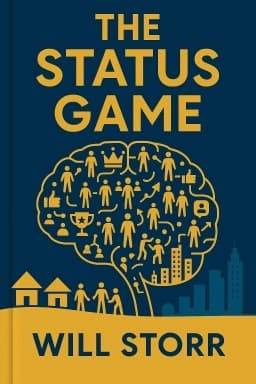
The Dark Side of Status: How Humiliation and Power Corrupt Us All
Unmasking the emotional pain and societal dangers lurking behind the quest for status.

Status is a double-edged sword. While it can bring joy and connection, its loss or excess can cause profound suffering. Humiliation, the public stripping of status, is one of the most intense psychological traumas known. It annihilates a person's sense of self and social belonging. Prison studies and psychiatric research show that many violent offenders have histories of repeated humiliation, which fueled their rage and desperate attempts to reclaim status through aggression.
Imagine a young boy at summer camp, mocked and pushed by a popular peer. This experience, seemingly small, can scar deeply, leading to lifelong struggles with self-worth and social trust.
At the other extreme, status intoxication affects elites who become blinded by their rank. They grow paranoid, distrustful even of close allies, and make decisions detached from reality. Historical figures driven by grandiosity and childhood wounds betray trust and cause widespread harm, illustrating the dangers of unchecked status power.
Recognizing these extremes allows us to build fairer social systems and healthier personal relationships. Fairness and transparency in status allocation reduce resentment and promote social harmony, while empathy helps heal wounds of humiliation.
Want to explore more insights from this book?
Read the full book summary