
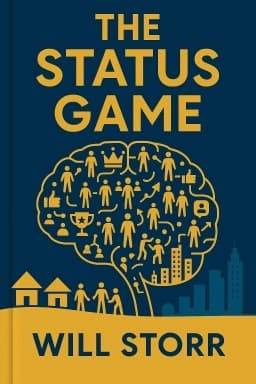
Why We Crave Status: The Surprising Science Behind Social Climbing
Explore the neuroscience and psychology revealing why status is our most powerful motivator.

From the moment we wake up to the last thought before sleep, the pursuit of status quietly directs our actions. But what makes status so compelling? Neuroscience offers fascinating insights. Our brains contain reward circuits that respond to social approval as strongly as to food or money. When we receive positive status signals—praise, recognition, or acceptance—dopamine floods our system, creating feelings of pleasure and motivation.
Conversely, social rejection or low status triggers stress responses, releasing cortisol and inflammation markers harmful to health. Studies of British civil servants reveal that those lower in the social hierarchy suffer significantly higher risks of heart disease and early death, independent of wealth and lifestyle factors.
Humans play three main status games. Dominance involves aggression and intimidation, activating fight-or-flight responses. Virtue, the moral status game, engages empathy and social bonding networks. Success, the competence game, stimulates pride and achievement motivation. Each game recruits different psychological systems, explaining why people vary in their preferred strategies.
Humiliation is one of the most damaging experiences, described as obliterating a person's social self. It can lead to depression, rage, and even violence. On the other hand, status intoxication among elites can cause paranoia and poor judgment, as the brain struggles to handle extreme social elevation.
By understanding these biological and psychological mechanisms, we can better navigate social landscapes, protect our mental health, and foster healthier communities.
Want to explore more insights from this book?
Read the full book summary