
Unlocking Influence: How Storytelling Can Transform Your Leadership (And Your Life!)
Discover Why Telling the Right Story Makes You Unforgettable

Discover Why Telling the Right Story Makes You Unforgettable
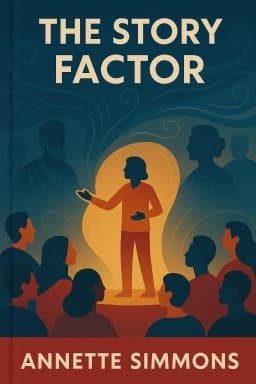
Imagine being able to inspire action, build trust, and unite your team—not with spreadsheets or speeches, but with a simple, well-told story. That’s the promise at the heart of Annette Simmons’ groundbreaking book, The Story Factor. In today’s data-driven world, we’re bombarded by numbers, metrics, and logic. Yet, as Simmons and a growing body of research point out, the human brain is wired for narrative. Stories aren’t just entertainment; they’re the oldest and most powerful tool of influence known to humanity.
Simmons identifies six essential types of stories that every leader and influencer should have in their toolkit: Who I Am, Why I Am Here, The Vision, Teaching, Values-in-Action, and I Know What You Are Thinking. Each serves a unique purpose, from establishing credibility to overcoming objections. For example, a 'Who I Am' story reveals your character and builds trust, while a 'Vision' story paints a picture of a better future and rallies others to your cause. The magic happens when these stories are authentic and personal—when you share not just your successes, but your struggles and lessons learned along the way.
But why do stories work when facts fail? Neuroscience shows that stories engage more regions of the brain than raw data, activating both logic and emotion. Facts inform, but stories transform—they help listeners make sense of complexity, remember key points, and, most importantly, care enough to act. Simmons shares countless examples, from business leaders who turned around failing companies by changing the organizational narrative, to teachers who inspired lifelong learning through personal anecdotes instead of lectures. People don’t want more information; they want meaning.
One of the most powerful insights from The Story Factor is that stories can bypass resistance. When faced with change, people often dig in their heels, defending their existing beliefs. Direct confrontation usually backfires. But a well-chosen story lets listeners explore new perspectives safely, without feeling threatened. Simmons recounts how a manager overcame employee skepticism not by insisting on new policies, but by sharing a relatable story of overcoming adversity and finding unexpected success. The story allowed employees to see themselves in the change, rather than as victims of it.
Of course, with great power comes great responsibility. Simmons warns that stories can be used to manipulate as easily as to inspire. Ethical storytelling means respecting your audience, being transparent about your motives, and using your influence to uplift rather than control. Trust built on honest stories is self-sustaining; manipulation is always fragile and short-lived.
To become a story leader, you must do more than tell stories—you must listen for them. Every team, every community, every individual has stories that shape their identity and choices. By listening first, you earn the right to tell stories that resonate and inspire real change. The most transformative leaders are those who weave the stories of others into a shared vision, creating a culture where everyone feels seen, heard, and valued.
If you want to lead, teach, or simply connect on a deeper level, start with a story. The next time you face a challenge, ask yourself: What story can I share that will help others see, feel, and believe in a better way forward?
References: The Story Factor by Annette Simmons; Blinkist summary; Bookey review; Sobrief.com key ideas. 1 2 4
Want to explore more insights from this book?
Read the full book summary