
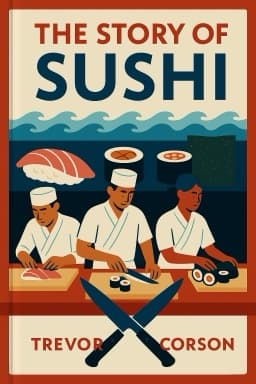
How Sushi Conquered America: The California Roll and Cultural Fusion
Explore the bold innovations that transformed sushi from an exotic curiosity into a nationwide American favorite.

The story of sushi in America is one of cultural bridges and bold reinvention. When sushi first arrived on American shores, it was largely confined to ethnic enclaves such as Little Tokyo in Los Angeles, serving Japanese expatriates craving a taste of home. For many Americans, sushi was an exotic mystery — raw fish wrapped in seaweed was unfamiliar and sometimes intimidating.
It was in this context that sushi chefs began to innovate. The California roll, arguably the most famous American sushi invention, replaced raw fish with creamy avocado and cooked crab, while hiding the seaweed inside the rice rather than outside. This clever adaptation made sushi more approachable, masking unfamiliar textures and flavors while introducing new ones. The California roll became a gateway, inviting Americans to embrace sushi culture.
Behind the scenes, the California Sushi Academy played a pivotal role in transforming sushi education. Breaking from centuries-old Japanese apprenticeships, the academy welcomed women and non-Japanese students, accelerating training and spreading authentic sushi knowledge. This democratization helped fuel sushi’s rise from niche ethnic food to mainstream culinary sensation.
Sushi’s American journey is a testament to the power of food to cross cultural boundaries and evolve through fusion. It reflects how tradition and innovation can coexist, creating new culinary landscapes that honor roots while embracing change.
For deeper insights into sushi’s American evolution, see Want to explore more insights from this book?