
The Real Origin of Culture: How Emotions Built Civilization
Why every law, ritual, and invention starts with a feeling—and what that means for our future.

Why every law, ritual, and invention starts with a feeling—and what that means for our future.
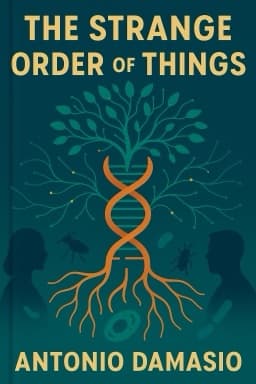
What if the true architects of civilization were not philosophers or kings, but the invisible forces of hunger, comfort, and empathy? Antonio Damasio’s ‘The Strange Order of Things’ makes a daring claim: that every aspect of culture—medicine, morality, art—can be traced back to the body’s drive to maintain balance. This blog unpacks that idea, weaving together science, history, and psychology to show how the world’s greatest achievements began as answers to the body’s oldest questions.
Long before humans walked the earth, single-celled organisms were already negotiating with their environment, seeking nutrients and avoiding harm. This was the dawn of homeostasis—the relentless quest for balance. Over time, this drive evolved into feelings: pain to warn of danger, pleasure to reward success, and empathy to foster cooperation. These feelings became the raw material for culture. The first healers and storytellers were responding not to abstract ideas, but to the cries of the body and the needs of the group.
Consider the birth of morality. Long before written laws, communities developed rules about sharing, punishment, and forgiveness. These were not arbitrary—they reflected the emotional needs of the group. Fairness, loyalty, and justice are not just social constructs, but biological strategies to maintain harmony and survival. Even today, rituals like weddings, funerals, and festivals help us process powerful emotions, reinforcing the bonds that hold societies together.
Cultural practices evolve much like genes. Those that bring comfort, health, or meaning are passed down; those that fail are forgotten. This process is ongoing—modern innovations like social media or new forms of therapy are subject to the same pressures as ancient traditions. The key to a resilient society is recognizing the emotional roots of these practices and designing them to promote collective well-being.
Empathy is the engine of this process. When we see someone in pain, our own bodies respond. This contagious compassion is what makes cooperation possible, from small tribes to global movements. But empathy is fragile—it needs nurturing through stories, rituals, and shared experiences. When societies neglect these emotional foundations, they risk division and decline.
Understanding the emotional origins of culture is not just an academic exercise—it’s a guide for the future. By honoring the wisdom of our feelings and designing institutions that foster empathy and connection, we can build a more compassionate world. Damasio’s work is a reminder that the heart of civilization beats in every body, every day.
References: 1 3 4
Want to explore more insights from this book?
Read the full book summary