
The Sweet Spot of Life: How Pain and Pleasure Combine for True Happiness
Uncover the secret to lasting happiness by balancing joy, struggle, and meaning in your everyday life.

What if the key to happiness isn’t just seeking pleasure but embracing a balance between joy and struggle? Modern research in psychology and philosophy reveals that pleasure and meaning are distinct yet intertwined components of well-being.
Hedonic happiness refers to immediate pleasure and comfort, while eudaemonic happiness arises from living a life of purpose and meaning. Sometimes, the pursuit of meaning involves effort, sacrifice, and even pain. Parents raising children, activists fighting injustice, and creators perfecting their craft often endure hardship that reduces short-term happiness but enhances long-term fulfillment.
Studies show that people can be happy without meaning and vice versa. The richest lives integrate both, finding joy in comfort and growth in challenge. This balance is dynamic and personal, shifting over time and circumstances.
Effort is costly and aversive, yet it signals commitment and builds social trust. Rituals involving sacrifice strengthen bonds and create shared identity. Meaning-making helps people endure unchosen suffering, fostering resilience.
Understanding motivational pluralism—the idea that humans have multiple independent drives including pleasure, morality, and meaning—helps explain why pure pleasure-seeking is insufficient for a fulfilling life. Moral concerns, empathy, and social connection are innate and essential.
To live in the sweet spot, cultivate awareness of your motivations and embrace challenges mindfully. Seek activities that offer both enjoyment and purpose. Recognize that pain and pleasure are not opposites but complementary forces shaping a rich human experience.
By balancing these forces, you create a resilient, joyful, and meaningful life that withstands adversity and celebrates growth.
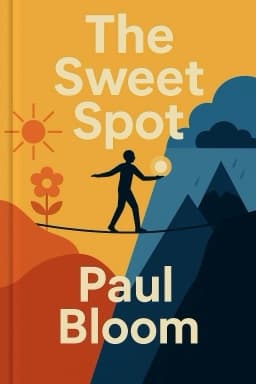
For deeper exploration, consider reading Paul Bloom’s "The Sweet Spot" and Viktor Frankl’s
Want to explore more insights from this book?
Read the full book summary