
Why We Crave Pain: The Surprising Science Behind Pleasure and Suffering
Discover the unexpected reasons why humans often seek out pain and suffering—and how it shapes our happiness and meaning in life.

At first glance, the idea that humans voluntarily seek pain seems counterintuitive. Pain is an unpleasant sensation, a warning signal that something is wrong. Yet, anyone who enjoys a spicy meal, a thrilling roller coaster ride, or a tear-jerking movie knows that pain and suffering can be sources of pleasure and meaning. Why is this? What drives us to embrace discomfort, sometimes even suffering, as part of our lives?
Psychologists call this phenomenon 'benign masochism'—the enjoyment of mild pain because it enhances subsequent pleasure. For example, the burn of chili peppers makes the relief afterward feel sweeter. Our brains are wired to find contrast rewarding; pain can amplify pleasure when experienced in controlled doses.
But the story doesn’t stop at physical sensations. Our uniquely human imagination allows us to experience pain and fear safely through stories, art, and fantasy. Horror movies, tragic novels, and even moral dilemmas engage our emotions without real harm. This imaginative engagement helps us develop empathy, rehearse responses to challenges, and explore complex feelings in a safe environment.
Effort and struggle, though often painful and costly, are essential for growth and fulfillment. The law of least effort explains why we naturally avoid hard work, yet we often choose to endure it because the meaning and rewards it brings outweigh the costs. Athletes, artists, and activists exemplify this by embracing hardship to achieve mastery, purpose, and social connection.
Religious and cultural rituals harness pain and sacrifice to build community and signal commitment. Shared suffering fosters empathy and strengthens bonds, transforming individual pain into collective meaning. These costly signals filter out the less committed and reinforce group identity.
Not all suffering is chosen, however. Unchosen suffering—illness, loss, trauma—poses profound challenges. Viktor Frankl famously observed that having a 'why' to live enables people to endure almost any 'how.' Meaning-making is a vital coping mechanism, helping individuals find resilience and psychological growth even in adversity.
Understanding this complex relationship between pain, pleasure, effort, and meaning reveals that human motivation is pluralistic. We are not driven by pleasure alone but by a rich tapestry of desires including morality, purpose, and social connection.
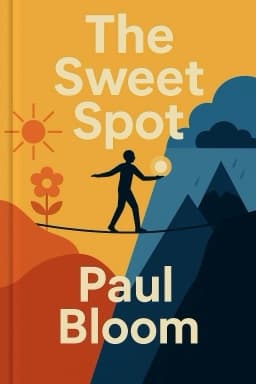
Ultimately, a fulfilling life balances pleasure and meaningful struggle. Pure comfort may feel empty, and relentless hardship can be crushing. The sweet spot lies in embracing both, cultivating resilience, joy, and depth.
By rethinking our relationship with pain and suffering, we open the door to a richer, more meaningful existence where pleasure and pain are not enemies but partners in the dance of life.
For further reading, explore Viktor Frankl’s insights on meaning in suffering and Paul Bloom’s work on motivational pluralism.
References:
Paul Bloom, "The Sweet Spot: The Pleasures of Suffering and the Search for Meaning"
3
Viktor Frankl, "Man's Search for Meaning"
1
2
Psychological studies on benign masochism and pain asymbolia
3
Want to explore more insights from this book?
Read the full book summary