
The Talent Myth Busted: Why Grit, Not Genes, Makes Champions
How ordinary people achieve extraordinary results through struggle, mistakes, and relentless effort.

How ordinary people achieve extraordinary results through struggle, mistakes, and relentless effort.
From the playground to the boardroom, the myth of inborn talent has shaped our expectations—and our excuses. We marvel at the prodigy and sigh, 'Some people are just gifted.' But what if the real secret is not in our DNA, but in what we do every day?
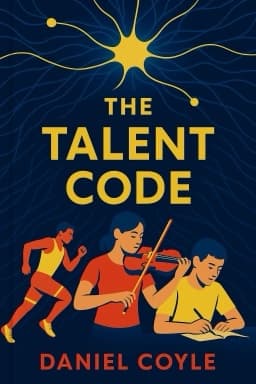
Daniel Coyle’s The Talent Code and the latest studies in psychology reveal a different story. The world’s best—whether writers, athletes, or musicians—are united not by magic, but by method. They practice at the edge of their abilities, make mistakes, fix them, and try again. This is the engine of growth, powered by the brain’s ability to build myelin with every correct repetition. Grit, not genes, is the true foundation of greatness.
Consider the Brontë sisters, who wrote more than 20 books as teenagers before penning their classics. Or the Z-Boys, whose skateboarding revolution began in empty swimming pools, where every fall was a lesson. Or the Brazilian soccer players who honed their skills in tiny, crowded courts, learning to improvise and adapt. These stories are not about natural brilliance, but about environments that reward struggle, persistence, and creative failure.
What do these environments have in common? They challenge, support, and demand effort. They create a culture where mistakes are learning opportunities, not sources of shame. Students, athletes, and artists who thrive are those who embrace the discomfort of deep practice—and find meaning in the struggle. Frustration is not a sign to quit, but a signal that you are growing.
The science backs this up. Myelin, the brain’s skill insulator, grows in response to focused, mistake-driven practice. The more you struggle and correct, the stronger and faster your circuits become. This process works at any age, and in any domain. The only question is: are you willing to do the work?
If you’re a parent, teacher, or leader, the lesson is clear: praise effort, not ability. Build environments where setbacks are celebrated, and where everyone is expected to try, fail, and try again. If you’re a learner, embrace the grind. The path to mastery is not easy, but it is open to all.
Greatness is not a lottery ticket. It’s a journey of a thousand steps, each one powered by grit, resilience, and the courage to keep going. The next champion could be you.
Sources: 1 3 2
Want to explore more insights from this book?
Read the full book summary