
Why ‘The Thank You Economy’ Will Revolutionize Your Business in 2025
Unlock the secrets of authentic customer relationships and skyrocket your brand’s loyalty in the digital age.

Unlock the secrets of authentic customer relationships and skyrocket your brand’s loyalty in the digital age.
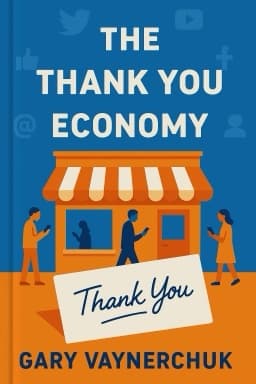
Imagine a marketplace overwhelmed by advertisements, where consumers are bombarded with countless messages daily, yet crave genuine connection more than ever. This paradox is at the heart of Gary Vaynerchuk’s groundbreaking book, The Thank You Economy. It teaches that the future of business lies not in flashy campaigns or aggressive selling, but in cultivating authentic relationships through empathy, transparency, and consistent care.
At its core, the book reveals that human nature remains constant despite technological advances. People want to do business with those they like and trust. Social media has turned word of mouth from a local phenomenon into a global force, amplifying customer voices instantly. This shift demands that businesses listen and engage in honest conversations rather than broadcast one-way messages.
Many companies hesitate, fearing loss of message control or doubting social media’s ROI. However, Vaynerchuk dispels these myths by highlighting studies showing that engaged customers spend up to 30% more and remain loyal longer. Tools like Nielsen’s cross-media metrics prove that social media effectiveness can be reliably measured, making it a critical component of modern marketing.
The book also emphasizes that building a culture of care starts at the top. Leaders obsessed with their employees’ well-being create empowered teams that deliver exceptional customer experiences. Flexible policies, authentic communication, and employee happiness translate directly into customer loyalty and advocacy.
Moreover, integrating traditional media with social platforms creates a dynamic marketing ecosystem. Traditional channels build broad awareness, while social media fosters ongoing dialogue, turning passive viewers into active brand participants. This synergy maximizes reach and deepens emotional connections.
Intent is paramount. Genuine care and purposeful interactions outweigh follower counts or posting frequency. Consumers quickly detect insincerity and disengage. Brands that invest heartfully in meaningful engagement build passionate communities that advocate organically.
Small acts of kindness—handwritten notes, unexpected gifts, personalized responses—create shock and awe, leaving memorable emotional impressions that multiply through word of mouth. These high-ROI tactics differentiate brands in crowded markets.
Real-world examples abound: local burger joints involving customers in decisions, B2B firms listening and responding online, and hotel chains empowering staff to personalize guest experiences. These stories prove that authenticity and hustle beat perfection every time.
The future belongs to adaptable businesses that embrace continuous innovation and evolving consumer expectations, especially on mobile platforms. Early adopters gain competitive advantages by shaping conversations and deepening relationships before others catch up.
Ultimately, the book teaches us that legacy is built one genuine relationship at a time. Relationship capital—trust, care, and authenticity—outperforms financial capital, fostering forgiveness and enduring loyalty. Every interaction is a chance to say thank you and build something lasting.
In summary, The Thank You Economy is more than a marketing guide; it is a manifesto for a new era of business and life. It challenges us to lead with heart, engage with authenticity, and build futures grounded in gratitude and human connection. As you apply these principles, prepare to transform not only your brand but also your relationships and legacy.
Want to explore more insights from this book?
Read the full book summary