
The Science Behind Mindfulness: What Haemin Sunim Gets Right (and Why You Should Care)
How Modern Research Validates the Ancient Wisdom of Slowing Down

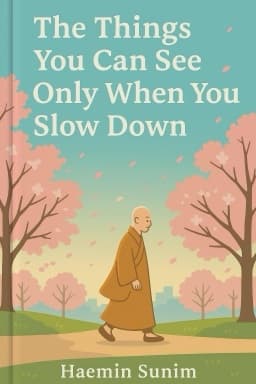
Haemin Sunim’s book is packed with gentle reminders to slow down, savor the present, and treat yourself with compassion. But do these ideas actually work? Science says yes. Over the past two decades, researchers have found that mindfulness practices—like those recommended in the book—can rewire the brain, lower cortisol levels, and boost happiness. 3
For example, MRI studies show that regular meditation increases gray matter in areas linked to emotional regulation and empathy. Mindful breathing activates the parasympathetic nervous system, calming the body’s stress response. Even brief daily practices can improve mood and focus. Sunim’s advice to 'do less, but more deeply' is echoed in productivity research: multitasking reduces efficiency, while single-tasking enhances creativity and satisfaction.
Mindfulness also benefits relationships. Couples who practice mindful listening report greater intimacy and fewer conflicts. Parents who model calmness help children develop emotional resilience. And workplaces that embrace mindfulness see lower burnout and higher engagement.
Common myths—like 'mindfulness is just relaxation' or 'it’s only for spiritual people'—are debunked by research showing benefits for everyone, regardless of background. The blog includes practical tips for beginners (start with 2 minutes of mindful breathing) and shares stories from the book, like the executive who found clarity by unplugging for an afternoon.
In summary, the wisdom of slowing down is not just ancient philosophy—it’s cutting-edge science. By integrating mindful moments into your day, you can transform your mind, body, and relationships.
References: 3 , 4
Want to explore more insights from this book?
Read the full book summary