
Why Context is King: The Hidden Forces That Shape Our Decisions
How Small Changes in Environment Can Lead to Massive Social Shifts

How Small Changes in Environment Can Lead to Massive Social Shifts
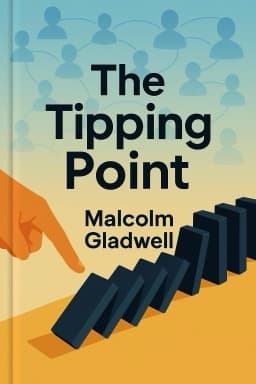
We like to think we’re in control of our choices, but the truth is, our environment shapes us in ways we rarely notice. The 'Power of Context,' a cornerstone of Gladwell’s 'The Tipping Point,' reveals that even tiny changes in our surroundings can set off waves of transformation—for better or worse.
The famous Broken Windows Theory showed that fixing minor signs of disorder, like graffiti or litter, led to dramatic drops in crime. In New York City, this approach helped tip the city from chaos to safety in the 1990s. It wasn’t just policing—it was a shift in the signals people received every day.
But context is about more than physical space. Group norms, peer pressure, and subtle cues guide our behavior, especially in uncertain situations. A single person’s act of kindness or disorder can ripple through an entire community, changing what’s seen as normal or acceptable.
For anyone hoping to spark change, the lesson is clear: don’t just focus on individuals—shape the environment. Whether you’re a teacher, manager, or parent, small tweaks in surroundings and group culture can tip the scales toward positive behavior.
So next time you want to change a habit or inspire a group, start with the context. You might be surprised at how quickly the world tips in your favor.
Want to explore more insights from this book?
Read the full book summary