
Can You Really Trust Yourself? The Surprising Science Behind Self-Deception and Willpower
Explore why trusting your future self is harder than you think — and how to overcome it.

Trust is often thought of as something we extend to others, but the most challenging trust of all is the one we place in ourselves.
Research shows that people commonly overestimate their honesty and ability to resist temptation. Despite moral standards, many admit to cheating when given the chance, revealing widespread self-deception. This cognitive dissonance allows us to maintain a positive self-image while bending rules.
One key challenge is forward-looking myopia — the tendency to underestimate future temptations and overestimate willpower. For example, promising to stick to a diet tomorrow often fails because we misjudge the strength of future cravings.
Self-trust involves managing this internal conflict between the impulsive present self and the goal-oriented future self. Techniques such as setting clear commitments, creating external accountability, and practicing mindfulness can strengthen this trust.
By understanding these psychological dynamics, you can cultivate greater self-control, align actions with values, and ultimately build a more trustworthy relationship with yourself.
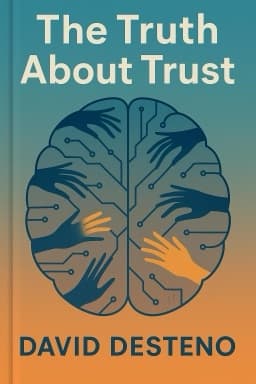
Further reading: The Truth About Trust, Greater Good Science Center 1 3
Want to explore more insights from this book?
Read the full book summary