
The Invisible Costs of Your Commute: How Externalities Shape Our Cities and Lives
What Your Daily Drive Really Costs—and How Smarter Choices Can Change Everything

What Your Daily Drive Really Costs—and How Smarter Choices Can Change Everything
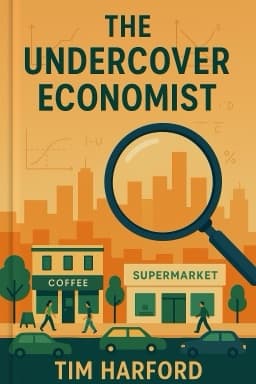
Think your morning commute is just a personal inconvenience? Think again. According to Tim Harford’s 'The Undercover Economist,' every car on the road during rush hour adds to a hidden web of costs—delays, pollution, and stress—for everyone else. These are externalities: side effects of your choices that spill over to others, often without you or them realizing it.
Traffic congestion is a classic example. Each driver acts in their own interest, but together they create gridlock, wasting time and fuel for all. The true cost of driving isn’t just gas and maintenance—it’s the time you steal from others by adding one more car to the jam. Pollution works the same way: the exhaust from your car or the smoke from a wood stove affects the health of your neighbors, even if you never see the consequences.
But there’s hope. Harford explains how smart policies, like congestion charges or pollution taxes, can make these invisible costs visible. By charging drivers for the true cost of their actions, cities can reduce traffic, improve air quality, and fund better public transport. Positive externalities matter too—when you get vaccinated or plant a tree, you create benefits for everyone around you.
The takeaway? Every choice ripples outward. By understanding externalities, we can make smarter decisions as individuals and advocate for policies that build healthier, more sustainable communities. Your commute is more than a daily grind—it’s a chance to shape the city you live in.
Curious about more hidden impacts? Keep reading for more undercover discoveries from the world of economics.
Want to explore more insights from this book?
Read the full book summary