
Why Markets Aren’t Always Fair: The Surprising Truth Behind Efficiency and Inequality
When Perfect Markets Leave People Behind (And What We Can Do About It)

When Perfect Markets Leave People Behind (And What We Can Do About It)
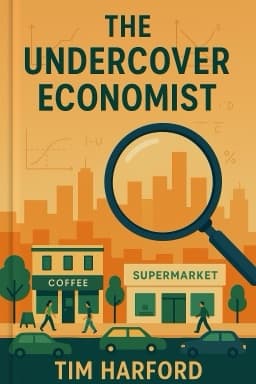
Markets are often celebrated as the most efficient way to allocate resources—matching supply and demand, setting prices that reflect true value, and rewarding innovation. But as Tim Harford shows in 'The Undercover Economist,' efficiency doesn’t always equal fairness. In fact, perfectly efficient markets can leave some people far behind, creating stark inequalities that feel anything but just.
Take the example of city real estate. Landlords who own prime locations capture enormous value—not because they work harder, but because they control something scarce. Even if the market is efficient (no wasted space, no missed opportunities), the outcome can be deeply unequal.
This is where the 'head start theorem' comes in. Rather than distorting markets with heavy-handed taxes or subsidies, governments can use lump-sum transfers to level the playing field—giving everyone a fair start without sacrificing efficiency. But in practice, designing these interventions is tricky. Who decides who gets the head start? How much is enough?
Real-world policies like congestion charges or targeted subsidies try to balance these goals, but there’s no perfect solution. The key is to recognize the limits of markets and the need for thoughtful public policy. As citizens, we can advocate for fairness and justice, while still appreciating the wisdom of markets in allocating resources.
So next time you hear someone praise the efficiency of the market, remember: efficiency is important, but fairness matters too. The best societies find ways to balance both.
For more on how economic thinking can shape a better society, keep exploring the undercover world of everyday economics.
Want to explore more insights from this book?
Read the full book summary