
From Crisis to Creativity: How Innovation and Culture Can Save Us
The Surprising Ways People Are Fighting Back Against a Warming World

The Surprising Ways People Are Fighting Back Against a Warming World
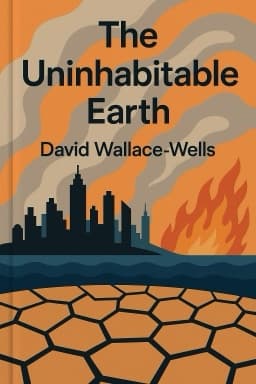
Amid the warnings and statistics, The Uninhabitable Earth also tells a story of hope—rooted in human creativity and resilience. Wallace-Wells describes how cities are adapting with green roofs, cool corridors, and urban forests. Farmers are experimenting with drought-resistant crops and smart irrigation, while engineers deploy drones to replant forests devastated by fire.
But innovation isn’t just technological. Culture matters, too. The book highlights how communities revive old traditions—like communal meals and seed exchanges—and create new rituals for a changing world. Artists paint murals that inspire hope, teachers educate the next generation, and neighbors support each other in times of crisis.
Wallace-Wells argues that adaptation is not defeat; it’s a testament to our ingenuity. By embracing change, sharing knowledge, and building new narratives, we can turn crisis into opportunity. The blog concludes with practical steps for readers: join a community garden, support local innovation, and tell stories that inspire action.
Want to explore more insights from this book?
Read the full book summary