
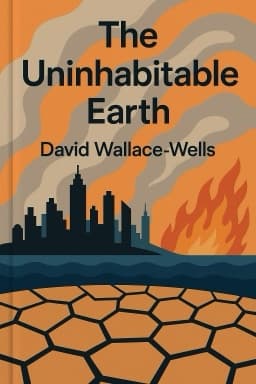
How 'The Uninhabitable Earth' Changed the Climate Conversation Forever
From Fear to Action: Why This Book Is a Game Changer

From Fear to Action: Why This Book Is a Game Changer
When David Wallace-Wells published The Uninhabitable Earth, it landed like a thunderclap in the climate debate. No longer could anyone claim that climate change was a problem for the distant future. With stark prose and a relentless focus on the here and now, Wallace-Wells forced readers—and policymakers—to reckon with the immediacy of the crisis.
The book’s influence is everywhere. Climate activists cite it in speeches and social media campaigns, using its facts to rally crowds and push for bolder action. Politicians reference its warnings in debates over Green New Deals and decarbonization plans. The book’s impact extends to classrooms, where it is assigned reading for students learning about global citizenship and environmental ethics.
Wallace-Wells’ approach—combining scientific rigor with emotional storytelling—has shifted the public narrative. Instead of abstract graphs and distant predictions, readers encounter stories of families uprooted by floods, farmers fighting drought, and children marching for their future. These stories have galvanized climate protests from Fridays for Future to Extinction Rebellion.
The book has also sparked controversy. Some critics argue that its tone is too alarmist, while others praise its honesty. This debate has only heightened its visibility, making it a lightning rod for discussions about how to communicate risk and motivate action.
Ultimately, The Uninhabitable Earth has helped move the climate conversation from fear to agency. Wallace-Wells insists that hope is not passive; it is the active choice to fight for a better world. The book’s legacy is a generation of readers who refuse to look away—and who are determined to write a different ending.
Want to explore more insights from this book?
Read the full book summary