
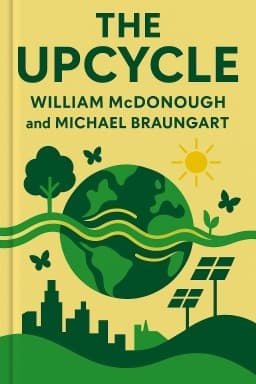
From Waste to Wonder: How 'The Upcycle' Revolutionizes Our World
Explore the inspiring stories and principles that turn pollution problems into opportunities for abundance.

Redefining Waste: Nature’s Wisdom
Waste is a concept foreign to nature. In natural ecosystems, every output becomes an input for another process.
Case Study: The Fabric Mill That Cleans Its Water
A fabric mill redesigned its entire production process to remove thousands of harmful chemicals. Instead of filtering pollutants at the end, the factory ensures water leaves cleaner than it arrived. Workers no longer wear protective gear, and the product is healthier for consumers.
Biogas Plants Protecting Forests and Tigers
In rural India, biogas plants convert cow manure into cooking fuel, replacing wood collection that threatened forests and endangered tigers. This solution reduces deforestation and supports wildlife conservation.
Closing Nutrient Loops with Struvite Harvesting
Phosphate is a limited resource essential for agriculture. Recovering it from sewage as struvite fertilizer turns waste into a valuable input, reducing pollution and supporting regenerative farming.
Renewable Energy: The Foundation of Regeneration
Solar, wind, geothermal, and biogas energy power these regenerative systems. Distributed energy generation increases resilience and community empowerment.
Leadership and Collaboration for Systemic Change
Cross-sector partnerships and data-driven decision making accelerate sustainable infrastructure. Businesses adopting upcycle principles report higher innovation and profitability, proving that sustainability and success are intertwined.
The Path Forward: Embracing the Upcycle
By learning from nature and designing with intention, we can transform waste into wonder.
Want to explore more insights from this book?
Read the full book summary