
Why 'The Upcycle' Is the Future of Sustainable Design (And Why You Should Care)
Discover how 'The Upcycle' redefines sustainability by turning waste into abundance and inspiring a hopeful future.

Rethinking Sustainability: From Less Bad to More Good
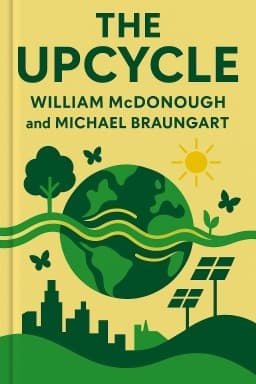
When we hear the word sustainability, many of us immediately think of cutting back — using less energy, producing less waste, or avoiding harm. But what if sustainability isn’t just about being less bad? What if it’s about being truly good — creating systems and products that actively improve the world around us? This is the bold vision presented in The Upcycle, a groundbreaking book by William McDonough and Michael Braungart.
Imagine a world where waste doesn’t exist. In nature, everything is reused endlessly: fallen leaves nourish the soil, which feeds plants, which feed animals, and so on in a perfect cycle. The authors call this “upcycling” — designing products and systems that contribute positively to the environment rather than depleting it.
Design as a Signal of Human Intention
Design is the first signal of human intention. The choices we make when creating products, buildings, or cities reflect our values and priorities. The book reveals how shifting from eco-efficiency (doing less harm) to eco-effectiveness (doing more good) requires intentionality and creativity.
For example, a fabric mill redesigned its processes to eliminate thousands of harmful chemicals, resulting in water leaving the factory cleaner than it entered. Workers no longer wore masks or gloves, and the product itself became a source of pride and health. This story shows that sustainability can be profitable, safe, and joyful.
Renewable Energy: Powering Abundance
Renewable energy sources like solar, wind, and geothermal are not just alternatives to fossil fuels — they are the foundation for regenerative systems. The book shares inspiring examples such as wind-powered LED lights that enable growing strawberries indoors during winter, and biogas plants in India that replaced wood fuel, protecting forests and tiger habitats.
Soil and Nutrients: The Hidden Wealth
Healthy soil is a living system essential for food production and ecosystem health. Yet soil erosion and nutrient depletion threaten global security. The upcycle approach promotes recovering nutrients from waste streams — such as harvesting struvite from sewage — transforming waste into valuable fertilizer and closing nutrient loops.
The Butterfly Effect: Small Actions, Big Ripples
Small, intentional actions can create cascading positive effects. Inspired by the butterfly’s light-reflecting wings, the book shows how minor design changes, like removing lead from caster wheels, can trigger widespread improvements across industries. Joy and beauty are powerful motivators for embracing sustainability.
Products and Cities Designed for Regeneration
Products should be designed for continuous reuse, transparency, and health. Leasing models encourage durability and recyclability. Cities, too, can become living systems with green roofs, urban farms, and smart infrastructure that optimize resource use and foster community well-being.
Leadership and Collaboration: The Path Forward
Systemic change requires visionary leadership and collaboration across sectors. Companies adopting upcycle principles see increased innovation and profitability. Public-private partnerships accelerate sustainable infrastructure. Evidence-based decision making builds trust and progress.
Hope for a Thriving Future
Life always upcycles — it creates abundance and new opportunities. With regenerative design, a growing population can thrive sustainably. Sustainability is a continuous journey of learning, adaptation, and celebration. Together, we can make the world more fruitful for generations to come.
Inspired by the transformative ideas of The Upcycle, this vision invites each of us to participate in creating a healthier, more abundant world.
Want to explore more insights from this book?
Read the full book summary