
7 Surprising Ways Your Brain Can Heal Itself (And You Can Start Today!)
Unlocking Your Brain’s Power to Build an Upward Spiral of Well-being

Unlocking Your Brain’s Power to Build an Upward Spiral of Well-being
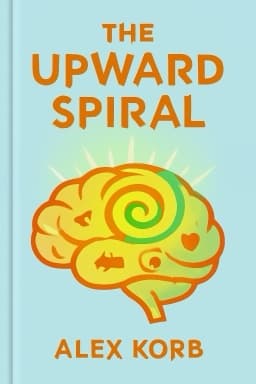
Imagine if the secret to feeling better wasn’t locked away in a therapist’s office or a distant future, but right inside your own brain—waiting to be awakened by the smallest of changes. That’s the promise of 'The Upward Spiral,' a transformative book by neuroscientist Alex Korb, PhD, which has quietly become a bible for anyone seeking a science-backed path to mental wellness. But what makes this approach so powerful? It’s not about willpower or radical reinvention. Instead, it’s about understanding how your brain’s circuits work, and how even tiny tweaks can set off a chain reaction toward happiness, resilience, and calm.
Let’s begin with a myth: that depression is simply about feeling sad. In reality, depression is a downward spiral—a self-reinforcing loop where negative thoughts, low energy, and withdrawal feed each other. But here’s the breakthrough: the brain is plastic. That means its circuits can change, grow, and adapt at any age. Every small, positive action—like standing up and stretching, chatting with a friend, or jotting down a single thing you’re grateful for—sends ripples through your neural networks, gradually shifting the balance from despair to hope.
1. Move Your Body, Change Your Mind
Exercise isn’t just good for your muscles—it’s a powerful antidepressant. Even a ten-minute walk triggers the release of serotonin and dopamine, rewires circuits in the prefrontal cortex, and boosts BDNF, a protein that helps your brain grow new cells. You don’t need to run marathons; gentle, regular movement is enough to start the upward spiral. Tip: Pair movement with music or a friend for an even bigger mood boost.
2. Sleep: The Brain’s Reset Button
Quality sleep is like a nightly tune-up for your mind. During deep rest, your brain clears toxins, repairs neural connections, and resets emotional circuits. Chronic sleep loss, on the other hand, makes it nearly impossible to break free from negative loops. Try this: Create a bedtime ritual—dim lights, soothing sounds, and a gratitude journal entry—to prepare your brain for restorative sleep.
3. Gratitude: Rewiring for Positivity
The brain’s negativity bias means we remember criticism and setbacks more than praise or progress. Practicing gratitude—by noticing three good things each day—activates optimism circuits and gradually shifts attention away from pain. Over time, this makes positive memories and emotions more accessible, even in tough times.
4. Naming Emotions Calms Anxiety
When worry spirals out of control, simply naming what you feel ('I’m anxious about this meeting') activates the prefrontal cortex and soothes the amygdala, the brain’s alarm center. This technique, called 'affect labeling,' is a quick, evidence-based way to regain calm and clarity.
5. Social Connection: Nature’s Antidepressant
Humans are wired for connection. Meaningful interactions—whether with friends, family, or even pets—release oxytocin and lower cortisol, the stress hormone. If you’re feeling isolated, start small: a smile, a text, or a brief conversation can set the upward spiral in motion.
6. Habits: Repetition Is Your Brain’s Best Friend
Habits are encoded in the striatum, a brain region that automates routines. To break a bad habit, don’t fight it—replace it. Repeat a new, positive behavior until it becomes automatic. Consistency, not perfection, rewires your brain for long-term change.
7. Self-Compassion: The Ultimate Healing Tool
Beating yourself up for setbacks only strengthens the downward spiral. Instead, treat yourself with the kindness you’d offer a friend. Self-compassion activates the brain’s reward and care systems, making it easier to bounce back and try again.
Conclusion: The Upward Spiral Is Yours to Create
'The Upward Spiral' isn’t just a book—it’s a blueprint for using your own biology to heal. The journey is gentle, gradual, and deeply hopeful. With every small step, you’re not just feeling better—you’re changing your brain, one upward spiral at a time.
Ready to start? Pick one tip and try it today. Your brain—and your future self—will thank you.
Want to explore more insights from this book?
Read the full book summary