
The Neuroscience of Self-Compassion: Why Being Kind to Yourself Changes Everything
How Self-Kindness Activates Your Brain’s Healing Circuits

How Self-Kindness Activates Your Brain’s Healing Circuits
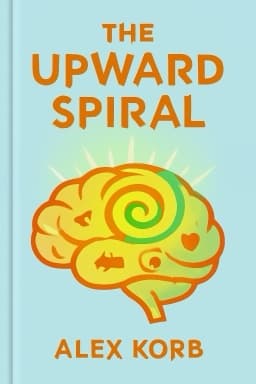
For many, the hardest part of healing isn’t starting a new habit or practicing gratitude—it’s learning to forgive themselves for setbacks. But neuroscience proves that self-compassion is not just soft or sentimental; it’s a powerful tool for rewiring your brain. 'The Upward Spiral' shows that when you treat yourself with kindness, especially after failures, you activate the same neural circuits that respond to love, care, and reward.
Self-criticism, on the other hand, triggers the brain’s threat system, flooding you with stress hormones and making change harder. By practicing self-compassion—speaking gently to yourself, accepting mistakes, and celebrating small wins—you create a safe space for growth and resilience.
Try this: When you notice self-judgment, pause and ask, 'What would I say to a friend in this situation?' Then say it to yourself. Over time, this practice rewires your brain for courage, hope, and lasting change. In the upward spiral, self-kindness isn’t a luxury—it’s the foundation for everything else.
Want to explore more insights from this book?
Read the full book summary