
The GDP Delusion: Why Growth Doesn’t Mean Progress
How Our Favorite Number Fails Us—and What We Can Do About It

How Our Favorite Number Fails Us—and What We Can Do About It
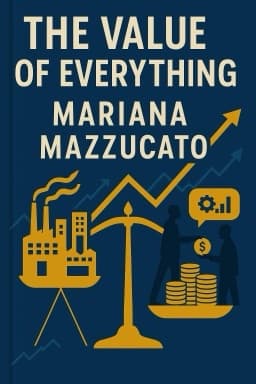
For decades, politicians and pundits have treated GDP growth as the holy grail of economic success. But what if this number is leading us astray? Mariana Mazzucato’s 'The Value of Everything' offers a powerful critique of GDP, exposing its origins, limitations, and the perverse incentives it creates.
GDP was never meant to be a comprehensive scorecard of national well-being. Born in the chaos of World War II, it was designed to help governments mobilize resources, not measure happiness, health, or sustainability. Yet, over time, it has become the yardstick by which countries—and their leaders—are judged. The result? A system that rewards activity for its own sake, even when that activity does little to enhance our lives.
Consider the paradoxes: When a hurricane devastates a city, the rebuilding effort adds to GDP, even though the community is worse off. When a parent cares for a child or an elder, their work goes uncounted, while a hedge fund manager’s profits are celebrated as growth. Pollution, crime, and speculative bubbles can all boost GDP, while the depletion of natural resources and the erosion of social trust remain invisible.
Mazzucato argues that we need better ways to measure what matters. Some countries are experimenting with well-being indexes, sustainability metrics, and happiness indicators. These new tools don’t just offer a more accurate picture—they help shape policies that prioritize real progress over empty growth.
It’s time to move beyond the GDP delusion and build economies that truly serve people and planet.
Want to explore more insights from this book?
Read the full book summary