
Why Most Brilliant Ideas Fail to Scale (And How to Fix It!)
Unlock the Hidden Science Behind Scaling Success and Avoid the Common Pitfalls That Doom Great Ideas

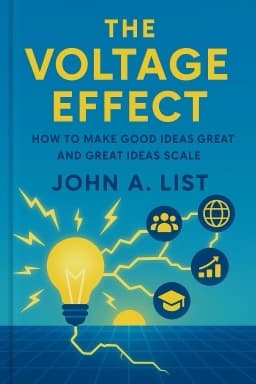
Imagine you have a revolutionary product or program that works wonders in a small test group. You’re excited, ready to roll it out nationwide or globally, expecting success to multiply. But months or years later, the impact is disappointing or even negative. What went wrong? This phenomenon is what John List calls the Voltage Effect, the tendency for ideas to lose their energy and effectiveness as they scale.
One of the first culprits is the false positive. Early pilot studies often show promising results that don’t hold up under broader testing. For example, a nationwide drug prevention program captivated millions but ultimately failed to reduce drug use. The initial data was misleading due to statistical quirks and biases. This teaches us the importance of rigorous independent replication before scaling.
Next comes the challenge of knowing your audience. Many programs succeed in a small, motivated group but falter when rolled out to more diverse populations. Selection bias means early adopters are often unrepresentative. For instance, a ride-sharing loyalty program failed because it mostly attracted frequent riders who didn’t increase usage. Understanding demographic, cultural, and socioeconomic diversity is crucial to avoid voltage drops.
Then, consider whether your success depends on unique people or replicable ingredients. A famous restaurant chain failed after expansion because its magic relied on one charismatic chef. Scaling demands identifying non-negotiables—core elements that must be preserved—and designing processes that can be duplicated without losing quality.
Behavioral economics offers powerful tools to engineer incentives that sustain engagement. Loss aversion, where people fear losses more than they value gains, can be harnessed to motivate compliance and participation. Marginal thinking—focusing on the impact of incremental changes—optimizes resource allocation and prevents waste.
However, scaling is not just about persistence but also knowing when to quit. The sunk cost fallacy traps many into continuing failing ventures. Strategic quitting frees resources for more promising ideas and is a hallmark of successful entrepreneurs.
Culture is the invisible hand guiding scaling success. Trust, psychological safety, and fairness foster cooperation and reduce turnover. Toxic meritocracies damage culture and cause voltage drops. Recruitment strategies that emphasize diversity and alignment with values further strengthen culture.
Even when mistakes happen, effective apologies combining sincere contrition with tangible compensation can restore trust and preserve relationships. Managing costs and understanding economies of scale versus diseconomies is vital to sustain long-term growth.
In the end, scaling is both a science and an art, demanding data-driven decisions, humility, adaptability, and courage. By mastering the voltage effect and its five vital signs, you can transform good ideas into world-changing solutions.
This blog synthesized insights from John List’s The Voltage Effect, complemented by expert reviews and summaries from multiple sources, including Jason Collins’ blog and Blinkist summaries. 1 3 4
Want to explore more insights from this book?
Read the full book summary