
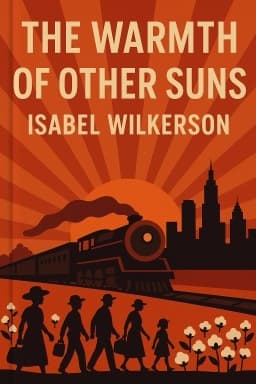
7 Surprising Facts About the Great Migration You Didn’t Learn in School (Revealed by 'The Warmth of Other Suns')
Uncover hidden truths and lesser-known details about a pivotal chapter in American history.

The Great Migration is often summarized as a simple northward movement for better jobs and freedom. However, Isabel Wilkerson’s 'The Warmth of Other Suns' reveals a far richer and more complex story. Here are seven surprising facts that bring new depth to this historic migration:
- The Origin of Jim Crow: The term 'Jim Crow' actually originated from a 19th-century minstrel show character, which later became synonymous with the oppressive segregation laws that controlled every aspect of African American life in the South.
- Sharecropping’s Economic Trap: Many sharecroppers never earned enough to pay off their debts, effectively binding them to the land in a cycle reminiscent of slavery.
- Quiet Beginnings: The earliest waves of migration started quietly, with small numbers leaving towns like Selma, Alabama in 1916, largely unnoticed by the media or organized leaders.
- Labor Shortages in the North: World War I created a massive demand for factory workers in northern cities, which helped open doors for southern migrants.
- Physical Toll of Cotton Picking: The backbreaking labor of cotton fields caused chronic pain and injuries, fueling the desire to escape.
- Segregated Travel: Migrants were forced to travel in segregated Jim Crow train cars, often under harsh conditions, reflecting the pervasive discrimination they sought to leave behind.
- Symbolic Arrival Photographs: Many migrants took photographs upon arriving in new cities as symbolic passports marking their new beginnings.
These facts not only illuminate the hardships faced but also the extraordinary courage and determination of those who left everything behind for a chance at a better life.
Understanding these hidden truths helps us appreciate the Great Migration’s profound impact on American history and culture, as well as the enduring spirit of resilience that defines it.
Sources: Scripturesavvy Review, LitCharts Study Guide, New York Times Book Review 3 2 1
Want to explore more insights from this book?
Read the full book summary