
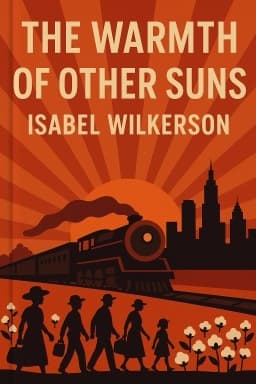
How 'The Warmth of Other Suns' Sheds Light on America’s Racial and Economic Divide
A deep dive into the economic and social forces that shaped and were reshaped by the Great Migration.

Isabel Wilkerson’s 'The Warmth of Other Suns' does more than narrate migration—it exposes the deeply entrenched racial and economic systems that shaped African American life in the 20th century. The Jim Crow laws, born from a minstrel show caricature, evolved into a rigid caste system enforcing segregation, disenfranchisement, and economic deprivation.
Sharecropping, a dominant economic system in the South, entrapped many African Americans in cycles of debt and poverty. Children’s education was often sacrificed for labor needs, and the physical toll of cotton picking was immense. These conditions created a powerful push factor for migration.
As migrants moved north and west, they confronted new forms of discrimination, including housing segregation through redlining and job discrimination in factories and service industries. Despite these challenges, the demographic shifts altered political power balances, fostering black political representation and fueling the civil rights movement.
The book highlights how these historical structures have left lasting legacies, contributing to contemporary racial and economic disparities. Understanding these forces is crucial for addressing systemic inequality today.
Sources: LitCharts Study Guide, SuperSummary Analysis, New York Times Review 2 4 1
Want to explore more insights from this book?
Read the full book summary