
Unlocking Your Hidden Willpower: The Surprising Science Behind Self-Control
Discover the three powers of willpower and how to harness them for lasting change

Willpower is often misunderstood as a simple matter of saying 'no' to temptation or pushing through with sheer grit. But modern science reveals a much richer, more nuanced picture. Imagine willpower as three distinct but interconnected forces that govern your ability to change behavior and make better choices.
The Three Powers of Willpower
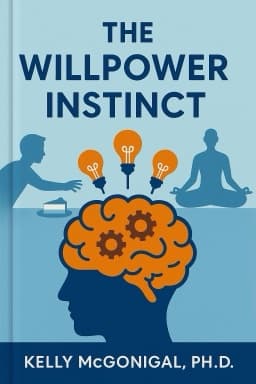
First, there is I Will — the power to do what you need to do, even when it’s hard. This might be getting up early to exercise or finishing a difficult work project. Then comes I Won’t, the ability to resist temptations and impulses, like saying no to that extra slice of cake. Finally, I Want is the motivational force that keeps you connected to your deepest values and long-term goals, reminding you why you endure the struggle.
These powers are not just abstract ideas; they are rooted in your brain’s prefrontal cortex, with different regions specializing in each function. When these parts work in harmony, your self-control flourishes. But when stress, fatigue, or distractions interfere, this balance falters, leading to lapses.
Biology and Willpower: Fight-or-Flight vs. Pause-and-Plan
Your body’s stress response, the famous fight-or-flight mechanism, evolved to protect you from immediate threats by shutting down the brain’s thoughtful areas and priming you for action. While lifesaving in danger, this response can sabotage your willpower in everyday life by making impulsive reactions more likely.
In contrast, the pause-and-plan state calms your physiology, slows your heart rate, and activates brain regions that support thoughtful decision-making and impulse control. Practices like meditation, slow breathing, and exercise help cultivate this state, strengthening your willpower reserve.
Willpower as a Muscle
Willpower is a limited resource that depletes with use, much like a muscle tires after exertion. This explains why resisting temptation early in the day makes it easier to stay disciplined, while fatigue later leads to lapses. But just as muscles grow stronger with training, so does willpower. Small daily exercises — like using your non-dominant hand or setting tiny challenges — can build your self-control over time.
Energy is the currency of willpower. Your brain uses glucose to fuel self-control, so maintaining stable blood sugar through nutrition supports endurance. Moreover, your beliefs about willpower influence how quickly it depletes; those who see it as unlimited tend to perform better.
The Psychology of Moral Licensing and Thought Suppression
Interestingly, success can sometimes undermine willpower through moral licensing — when doing something good unconsciously gives you permission to indulge or slack off. For example, after a workout, you might feel entitled to eat unhealthy food. Recognizing this trap helps you stay vigilant.
Similarly, trying to suppress unwanted thoughts or cravings often backfires, making them more persistent in your mind. Mindfulness and acceptance strategies teach you to observe cravings non-judgmentally, letting them pass without acting on them — a technique known as 'surfing the urge.'
The Power of Social Influence
Your willpower doesn’t exist in isolation. It is deeply influenced by your social network. Behaviors like smoking, dieting, and exercise spread among friends and family. Mirror neurons in your brain help you empathize and mimic others, making willpower contagious. Building a supportive community can amplify your self-control and help you stay on track.
Motivation: The 'I Want' That Fuels Change
Connecting to your core desires and future self energizes your willpower. Visualizing the person you want to become strengthens your resolve and helps you resist immediate temptations. Motivation acts as the fuel that powers your self-control engine.
Training Your Willpower
Regular meditation, physical exercise, and adequate sleep are proven ways to enhance your willpower capacity. Meditation improves attention and reduces stress, exercise boosts heart rate variability and mood, and sleep restores brain function critical for self-control.
Embracing the Journey
Finally, cultivating self-compassion and a growth mindset helps you persist through setbacks. Willpower is not a destination but a lifelong journey of learning, resilience, and growth.
By understanding and nurturing these forces, you can unlock a deep well of self-control and transform your life, one choice at a time.
References: 1 , 2 , 4
Want to explore more insights from this book?
Read the full book summary