
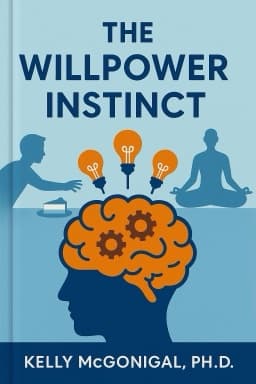
Why Your Willpower Fails and How to Fix It: The Neuroscience of Self-Control
Explore the hidden biological reasons behind willpower breakdowns and practical fixes

Have you ever wondered why, despite your best intentions, your willpower seems to fail you at the worst moments? The answer lies deep within your biology and psychology.
The Fight-or-Flight Saboteur
When faced with stress or threat, your body activates the fight-or-flight response, flooding your system with adrenaline and cortisol. This ancient survival mechanism prioritizes immediate action over thoughtful decision-making by suppressing the prefrontal cortex — the brain’s self-control hub.
Imagine being stuck in traffic, late for an important meeting, feeling your heart race. Suddenly, that chocolate bar at the gas station seems irresistible. Your body is in emergency mode, and your brain’s executive functions are offline.
Pause-and-Plan: The Calm Within
Opposite to fight-or-flight is the pause-and-plan state, where your parasympathetic nervous system activates. Your heart rate slows, breathing deepens, and your prefrontal cortex springs into action, enabling you to weigh choices, resist impulses, and focus on long-term goals.
Practices like meditation, controlled breathing, and regular exercise enhance your ability to enter this state. Even brief moments of calm can replenish your willpower reserves.
Willpower as a Finite Resource
Willpower functions like a muscle that tires with use. Each act of self-control consumes energy, primarily glucose, making subsequent efforts harder. This explains why late-night snacking or impulsive decisions often occur after a long day of resisting temptation.
Maintaining stable blood sugar through balanced nutrition and avoiding sleep deprivation are critical to sustaining willpower. Furthermore, your beliefs about willpower can influence how quickly it depletes — those who see willpower as unlimited tend to perform better.
Mindset and Environmental Design
Understanding your limits allows you to design smarter strategies. Changing your environment to reduce temptations, such as removing junk food or turning off distracting notifications, conserves willpower. Additionally, adopting a growth mindset — believing you can improve self-control — fosters persistence.
Social Support and Motivation
Your social circle profoundly affects your self-control. Being around motivated, disciplined people increases your own willpower through social contagion. Connecting to your core motivations and visualizing your future self further fuels your resolve.
By recognizing these biological and psychological factors, you can stop blaming yourself for willpower failures and start applying effective, science-backed strategies to fix them.
References: 1 , 3
Want to explore more insights from this book?
Read the full book summary