
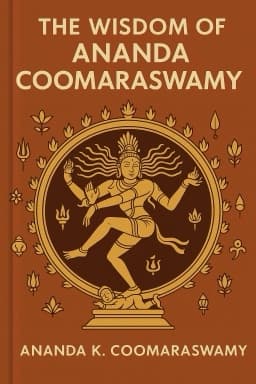
Unlocking the Timeless Unity of India: More Than Just a Country
Discover how India’s sacred geography and spiritual traditions form a unity that transcends politics and geography.

India is often viewed through the lens of politics, borders, and modern states, but its true essence lies far deeper—in its sacred geography and the spiritual unity that has held it together for millennia.
Imagine pilgrims journeying across vast distances, crossing linguistic and cultural divides, drawn by a profound sense of belonging to a sacred land. These journeys are more than religious acts; they are profound educational experiences where geography and spirituality merge. Pilgrimage routes serve as living classrooms, teaching reverence, history, and unity.
This unity is not accidental but a carefully nurtured harmony, where diverse peoples find common ground in devotion and cultural memory. However, with the rise of foreign influences and modern distractions, this ancient bond risks fraying. The loss of love for the land and its traditions threatens the very foundation of Indian identity.
True nationalism, therefore, is not mere political assertion but a sincere commitment to Indian ideas and values, a call to rediscover and cherish the spiritual and cultural heritage that defines this timeless civilization. As we journey further, we will uncover how this unity manifests in social roles, art, and philosophy, each reinforcing the other in a sacred dance of life.
This profound vision of unity goes beyond mere geography or politics; it is a spiritual nationalism that calls for service to tradition and culture. It invites us to see India as a living organism, where each individual part contributes to the harmony of the whole.
As we move forward, let us explore how this unity is reflected in the social order through the principle of vocation, where every individual finds their true role and purpose.
[[1]](#__1) [[3]](#__3)Want to explore more insights from this book?
Read the full book summary