
The Lazy Brain’s Secret: How Mental Substitution Shapes Your Choices Without You Knowing
The surprising way your brain answers easy questions instead of hard ones — and how to spot it.

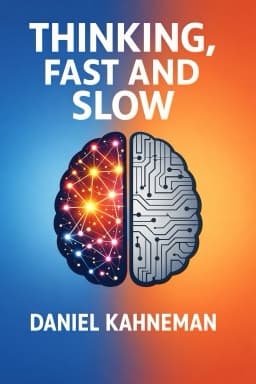
When faced with complex problems, your brain often takes a shortcut: it answers an easier question instead. This phenomenon, called mental substitution, is a key insight from Daniel Kahneman’s Thinking, Fast and Slow.
For example, instead of evaluating the financial health of a company, you might simply ask yourself, 'Do I like this company?' Your feelings then guide the decision, bypassing detailed analysis.
This unconscious substitution helps conserve mental energy but can lead to systematic biases and errors.
Emotions play a crucial role in determining which easier question you end up answering, often steering decisions in subtle yet powerful ways.
By becoming aware of mental substitution, you can challenge your intuitive responses and engage your analytical mind when needed, leading to better decisions and greater self-control.
Want to explore more insights from this book?
Read the full book summary