
Why Service Design Thinking Will Change the Way You See Every Business
Unlock the Hidden Layers of Every Customer Experience

Unlock the Hidden Layers of Every Customer Experience
Imagine walking into your favorite coffee shop. You’re greeted with a smile, your order is remembered, and your drink arrives just the way you like it. But what you don’t see are the invisible layers: the training the barista received, the digital systems tracking loyalty points, the supply chain ensuring fresh beans, and the subtle choreography that makes the line move smoothly. This is the magic of service design—a discipline that peels back every layer of the customer journey to reveal, refine, and reimagine the entire experience.
Service design thinking is not just about making things look pretty. It’s about understanding that every service is a bundle of interconnected moments, shaped by people, processes, and technology. The world’s most innovative organizations—whether a tech giant, a hospital, or a local bakery—use service design to create seamless, memorable experiences that turn customers into advocates.
What is Service Design Thinking?
At its heart, service design thinking is a mindset and a toolkit. It borrows from design thinking, but goes further by mapping out entire service ecosystems. It starts with empathy—stepping into the shoes of your users and understanding their needs, pains, and desires. Teams use tools like personas, journey maps, and service blueprints to visualize the customer’s path and uncover pain points and opportunities. This approach breaks down silos, aligning everyone from the C-suite to the frontlines around a shared vision.
The Power of Mapping Journeys
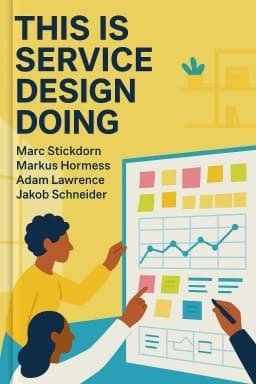
One powerful tool is the journey map—a visual story of every step a customer takes, from first awareness to post-purchase support. Journey maps don’t just track actions; they chart emotional highs and lows, helping teams spot where delight turns to frustration. For example, a hospital might map a patient’s journey from check-in to discharge, revealing that while medical care is excellent, communication gaps leave families anxious. By addressing these moments, organizations create not just satisfied, but loyal customers.
Breaking Down Organizational Silos
Service design exposes the hidden handoffs and disconnects that frustrate customers. In many companies, departments optimize for their own metrics—sales for conversion, IT for uptime, HR for training—without seeing the whole picture. Service design brings everyone to the table, fostering collaboration and shared ownership. The result? Faster innovation, fewer dropped balls, and a culture where everyone is responsible for the customer experience.
From Prototyping to Implementation
Service design is inherently iterative. Teams prototype new processes, test them with real users, and refine based on feedback. This reduces risk and ensures solutions fit real needs. Prototypes can be as simple as a role-play or as complex as a digital mockup. The key is learning by doing—embracing small failures as steps toward big wins.
Embedding Service Design in Culture
The most successful organizations make service design part of their DNA. They start with small pilot projects, celebrate early wins, and empower leaders to model curiosity and openness. Workshops and co-creation sessions become regular practice, building trust and collective creativity. Over time, service design shifts from a project to a mindset—one that fuels continuous improvement and adaptability.
The Future: Service Design as a Team Sport
Service design thrives on collaboration. As more organizations join the movement, global communities and design jams provide spaces to share stories, learn new methods, and tackle challenges together. The future belongs to those who see service design not as a trend, but as a fundamental way to create value for people and planet.
Ready to transform your organization? Start with empathy, map the journey, and invite every voice to the table. Service design thinking will change not just your business, but the way you see the world.
Want to explore more insights from this book?
Read the full book summary