
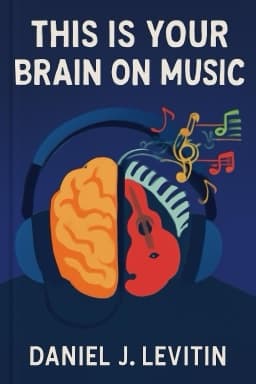
The Healing Power of Music: How Sound Restores Mind and Body
Explore how music’s emotional and neural effects make it a powerful tool for healing and well-being.

Music’s ability to evoke deep emotions and pleasure is not just a cultural phenomenon but a biological reality with profound therapeutic implications.
Listening to music triggers dopamine release in the brain’s reward centers, creating feelings of joy and relaxation. This neurochemical effect helps reduce stress and improve mood.
Music also evokes autobiographical memories linked to emotions, facilitating emotional processing and healing. This makes music a powerful adjunct in therapy for mental health conditions such as depression and anxiety.
Clinical research supports music therapy’s effectiveness in neurological disorders, pain management, and social rehabilitation. Its ability to regulate emotions and foster social bonds enhances overall well-being.
Embracing music as a healing tool is accessible and natural, offering benefits that enrich life and health.
For comprehensive studies on music therapy and neuroscience, see recent reviews and clinical trials [[1]](#__1), [[3]](#__3).
Want to explore more insights from this book?
Read the full book summary