
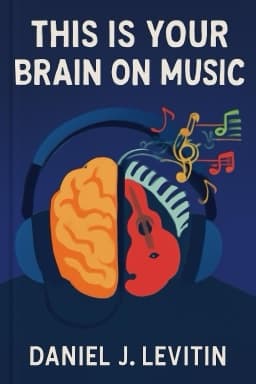
Why You Can't Stop Listening: The Science of Musical Preferences and Emotional Connection
Explore how your culture, childhood, and emotions shape the music you love—and why it feels so personal.

Have you ever wondered why a certain song feels like it was made just for you? Why some melodies spark joy while others bring tears? The answer lies in a complex interplay of culture, early experiences, and emotional resonance.
Our musical tastes are deeply influenced by the music we hear during childhood. These early exposures form neural templates that shape how we perceive and prefer sounds throughout life. Repeated listening during these sensitive periods solidifies emotional and cultural associations with specific music styles.
Emotions are central to why we love certain music. A melody that evokes nostalgia or excitement can create powerful memories and attachments, often outweighing technical complexity or fame of the artist. Music also serves as a social glue, connecting us to communities and identities, whether through shared cultural heritage or contemporary trends.
Rhythmic elements like syncopation add surprise and excitement, engaging our brain's predictive mechanisms and emotional centers. This dynamic interplay keeps us hooked and emotionally involved.
While musical preferences tend to stabilize with age, the brain’s plasticity allows for new tastes to develop as we encounter different cultural contexts and personal experiences.
Understanding these factors not only enriches our appreciation of music but also highlights its role in social cohesion and emotional health.
For more insights on music psychology and cultural influences, refer to recent interdisciplinary research [[0]](#__0), [[3]](#__3).
Want to explore more insights from this book?
Read the full book summary