
The Hidden Wisdom of 'Thus Spoke Zarathustra': What You Didn’t Know About Nietzsche’s Masterpiece
Uncover the lesser-known insights and poetic beauty that make Nietzsche’s work a timeless classic.

Nietzsche’s 'Thus Spoke Zarathustra' is a rare blend of philosophy and poetry, a mock-gospel filled with biblical allusions and rich symbolism. Understanding its literary artistry unlocks deeper insights into its profound messages.
The narrative follows Zarathustra, a prophet who descends from solitude to teach radical ideas. The structure mimics gospel style, with parables, sermons, and poetic exhortations. This choice is deliberate, inviting readers to view the work as a spiritual text, albeit one that overturns traditional religious values.
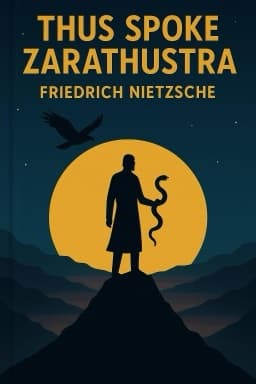
Animals such as the eagle and serpent symbolize wisdom and cunning, while the three metamorphoses of the spirit—camel, lion, and child—represent stages of personal transformation. These symbols enrich the philosophical content, making abstract ideas tangible and memorable.
Nietzsche’s poetic language, full of aphorisms and paradoxes, challenges readers to engage actively with the text, to interpret and internalize its lessons. The style also reflects the intensity of Nietzsche’s own emotional and intellectual struggles during its writing.
Knowing these artistic elements enhances appreciation of the book’s depth and its enduring influence on philosophy, literature, and culture. It reveals why 'Thus Spoke Zarathustra' continues to captivate and inspire more than a century after its creation.
Want to explore more insights from this book?
Read the full book summary