
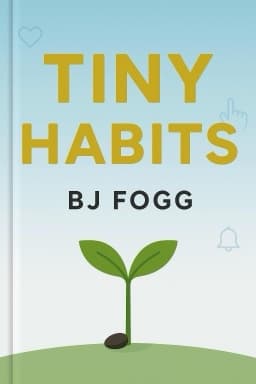
Why Tiny Habits Are the Secret to Massive Life Changes (And How to Start Today!)
Discover the science-backed method that turns small actions into life-altering habits without relying on willpower or motivation.
Imagine if the key to transforming your life wasn’t about massive willpower, grueling discipline, or monumental resolutions. What if the secret was something so small, so easy, that it felt almost trivial? This is the heart of BJ Fogg's groundbreaking book, Tiny Habits, a method that has changed how millions approach behavior change.
The Behavior Model: Motivation, Ability, and Prompts
At the core of this method is a simple but powerful formula: Behavior happens when motivation, ability, and a prompt come together simultaneously. If one is missing, the behavior doesn’t occur. This explains why so many grand plans fail—they rely too heavily on motivation, which fluctuates unpredictably. Instead, Fogg teaches us to work around motivation by making habits so tiny and easy that they require minimal effort.
For example, instead of committing to an hour-long workout, start with two pushups. This tiny habit is 'too small to fail.' Over time, as ability grows, so does the habit naturally. This approach removes overwhelm and builds confidence, making consistency the real goal rather than perfection.
Dancing with Motivation
Motivation is like a wild wind—sometimes strong, often fickle. Relying on it is unreliable. Instead, design habits that require little motivation, focusing on desire and ease. Celebrating every small success, whether a smile, a fist pump, or a verbal cheer, releases dopamine, the brain’s reward chemical, reinforcing the habit and making you look forward to repeating it.
Anchoring Habits to Existing Routines
One of the most effective ways to build habits is to attach them to behaviors you already do reliably. After brushing your teeth, floss one tooth. After making coffee, drink a glass of water. These action prompts create seamless, natural habit formation by embedding new behaviors into your existing life fabric.
Breaking Bad Habits
The same behavior model applies to breaking bad habits. Remove or neutralize prompts that trigger unwanted behaviors, make the habit harder to perform, or lower your motivation for it. Replace bad habits with positive alternatives tied to the same prompts to redirect your behavior constructively.
Final Thoughts
Tiny Habits is more than a book—it’s a toolkit for transformation. By understanding behavior’s building blocks and designing your environment and actions accordingly, you can create lasting, joyful change. Start tiny, celebrate often, and watch your life shift one small step at a time.
Ready to begin? Pick one tiny habit today and see where it takes you.
Want to explore more insights from this book?
Read the full book summary