
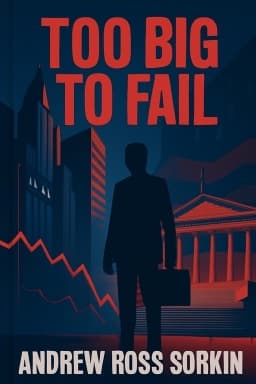
Inside the Collapse: How Lehman Brothers Shattered Wall Street and Changed Finance Forever
The untold story behind the fall of a giant and its ripple effects on the global economy

Imagine a bustling trading floor on Wall Street in the mid-2000s, where the energy is electric, phones ring incessantly, and traders shout orders amid a haze of cigarette smoke. This was the epicenter of a financial empire driven by ambition and an aggressive culture that prized high-risk, high-reward strategies. At the heart of this world stood Lehman Brothers, led by a CEO known as 'The Gorilla' for his fierce and unyielding style. The firm, like many others, was heavily leveraged—carrying debt 32 times its capital—creating a fragile foundation where even minor shocks could lead to catastrophic failure.
Risk-taking was celebrated, and compensation soared, with firms like Goldman Sachs paying out billions in bonuses. Yet beneath the surface, risky mortgage-backed securities and derivatives were proliferating, their true risks obscured by complex financial engineering. Early signs of trouble emerged when two hedge funds linked to a major bank collapsed, losing $1.6 billion on subprime bets. This triggered a wave of fear, freezing credit markets and spreading panic among investors.
Leadership was tested under immense pressure. CEOs scrambled to manage liquidity and public perception, while newly appointed executives without traditional backgrounds faced scrutiny. The government stepped in with unprecedented interventions, including the $700 billion TARP bailout, aiming to stabilize the system but igniting public outrage over perceived favoritism and moral hazard.
The collapse of Lehman Brothers itself was a seismic event, with stock prices plunging nearly 50% in a day and the decision by authorities to let it fail marking a turning point. The interconnectedness of financial institutions meant the shockwaves were global, causing credit freezes and investor fear that threatened the entire economic system.
In the aftermath, myths about riskless financial innovation were shattered. The financial sector’s outsized share of corporate profits raised questions about its role in the economy, and public trust in institutions plummeted. Yet from this crisis emerged a commitment to transparency, accountability, and cultural change within finance, with ongoing investigations and reforms aimed at building a more resilient future.
This story is not just about numbers and institutions; it is about people—their ambition, mistakes, resilience, and the lessons they leave behind. Understanding this history is essential for anyone seeking to grasp the complexities of modern finance and the importance of vigilance and ethics in safeguarding economic stability.
Want to explore more insights from this book?
Read the full book summary