
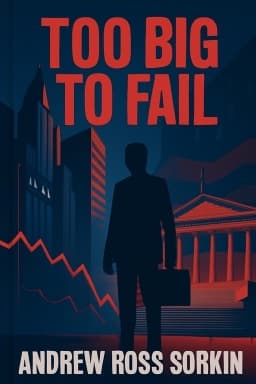
The Financial Meltdown Exposed: What Really Happened Behind Wall Street’s Curtain?
A deep dive into the hidden dynamics and key players of the 2008 crisis

Behind the headlines of the 2008 financial crisis lies a complex story of ambition, risk, and human error. Wall Street, long seen as the engine of economic growth, had cultivated a culture where aggressive risk-taking was rewarded handsomely. Executives and traders chased short-term profits with leverage ratios so high that even small losses threatened entire firms. The proliferation of mortgage-backed securities and derivatives added layers of complexity, making it difficult even for insiders to fully understand the risks they carried.
Early warning signs included the collapse of hedge funds betting on subprime mortgages and the freezing of withdrawals by major banks unable to price their toxic assets. Fear spread rapidly, causing credit markets to seize and trust among institutions to evaporate. Leadership was tested as CEOs fought to maintain liquidity and calm investors, while government officials grappled with unprecedented challenges.
The government’s response was swift yet controversial. The Troubled Asset Relief Program (TARP) injected hundreds of billions into failing banks, aiming to restore market confidence. However, this sparked public outrage over the use of taxpayer money to reward firms whose reckless behavior had contributed to the crisis. The decision to allow Lehman Brothers to fail, unlike earlier rescues, intensified market turmoil and raised difficult questions about moral hazard and regulatory oversight.
The aftermath forced a reckoning with long-held beliefs about financial innovation and market efficiency. The crisis shattered illusions of riskless profits and highlighted the dangers of excessive complexity and opacity. Public trust in financial institutions and regulators plummeted, prompting calls for reform and greater accountability.
Ultimately, the crisis was a human story—of leaders making tough decisions, of markets driven by fear and hope, and of a society grappling with the consequences of its financial system’s failures. Understanding these dynamics is crucial for preventing future crises and building a more stable economic future.
Want to explore more insights from this book?
Read the full book summary