
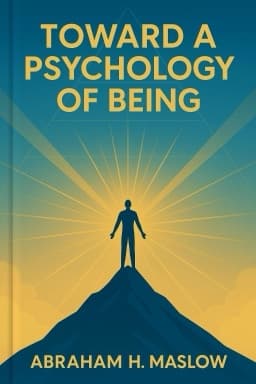
Maslow’s Pyramid: Why Your Happiness May Depend On More Than You Think
Unlocking the Secrets of Human Motivation for a Fulfilling Life

Imagine for a moment that your life is a grand adventure, and at each stage of your journey, you are climbing a pyramid. At the base, you find the essentials: food, water, safety. As you ascend, you seek love, belonging, and esteem. At the very top, the air is thinner, but the view is breathtaking—here lies self-actualization, the realization of your highest potential. This is the essence of Abraham Maslow’s hierarchy of needs, a concept that changed the way we understand human motivation and happiness.
Maslow’s pyramid is more than a theory; it’s a living map of the human experience. In 'Toward a Psychology of Being,' Maslow challenged the prevailing focus on psychological illness and instead asked: What makes life worth living? He argued that we are driven not just by deficits but by a deep yearning to grow, create, and become our best selves. Deficiency needs (D-needs) like safety and love must be met to avoid distress, but growth needs (B-needs) propel us toward self-actualization—a lifelong process of becoming, not a static achievement.
One of Maslow’s most profound insights is that these needs don’t follow a strict order. Life is dynamic: setbacks can send us back to earlier needs, while moments of inspiration can propel us upward. For example, a teacher struggling with financial insecurity may still experience creative breakthroughs or moments of deep connection with students. The pyramid is not a rigid ladder but a living, breathing framework that reflects the complexity of real life.
Self-actualization, Maslow argued, is characterized by authenticity, creativity, and a sense of purpose. It’s not just for artists or geniuses; anyone can experience it—whether through parenting, problem-solving, or acts of kindness. Everyday creativity is a hallmark of self-actualizing people, who bring originality to even the most mundane tasks. Maslow’s studies found that these individuals are more likely to experience 'peak experiences'—moments of awe, unity, and joy that reveal the fullness of life.
In today’s world, Maslow’s ideas are more relevant than ever. In the workplace, companies are rethinking motivation, moving beyond paychecks to foster environments where people can grow and contribute meaningfully. In education, teachers are shifting from rote learning to nurturing curiosity and self-discovery. Therapists are helping clients not just manage symptoms but thrive and find meaning. The pyramid, in all its layers, offers a blueprint for building healthier, more fulfilling lives.
So, where are you on your pyramid today? Are your roots nourished, or do you need more safety and support? Are you reaching for new heights, exploring your passions and values? Wherever you are, Maslow’s wisdom reminds us that growth is always possible, and happiness is found not just in what we have, but in what we become.
For more on Maslow’s enduring impact and practical tips for your own journey, keep reading our series on the psychology of being.
3
1
Want to explore more insights from this book?
Read the full book summary