
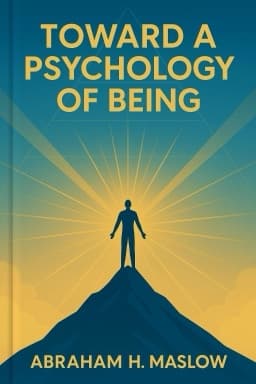
Peak Experiences: The Hidden Superpower You Didn’t Know You Had
How Moments of Awe Can Transform Your Life, According to Maslow

Have you ever felt completely alive—so present that time seemed to stop, and every sense was heightened? Maybe it was during a concert, a walk in the woods, or a quiet moment with someone you love. These are what Abraham Maslow called 'peak experiences,' and they are among the most powerful forces for personal transformation.
Peak experiences aren’t just rare flashes reserved for artists or mystics. Maslow found that nearly everyone has had such moments, even if they don’t know what to call them. These experiences are characterized by feelings of unity, awe, and deep meaning. They can happen unexpectedly—while gazing at a sunset, achieving a hard-won goal, or simply losing yourself in music or work.
What makes peak experiences so important? They give us a glimpse of our highest potential, often leading to lasting changes in how we see ourselves and the world. After a peak moment, people report feeling more confident, compassionate, and motivated to pursue their true purpose. These experiences can also help us recover from setbacks, providing a wellspring of strength and inspiration.
Maslow’s research showed that peak experiences are closely linked to self-actualization. People who are open, curious, and authentic are more likely to have them—and to use them as fuel for ongoing growth. But you don’t have to wait for lightning to strike. By practicing mindfulness, seeking new challenges, and appreciating beauty in everyday life, you can invite more peak experiences into your routine.
For example, try starting your day with a walk in nature, paying close attention to the sights and sounds around you. Or set aside time each week to pursue a creative hobby, letting yourself get lost in the flow. Even small acts of kindness or gratitude can create moments of connection and joy.
Ultimately, peak experiences remind us that life’s greatest treasures are often found in the present moment. By noticing and nurturing these flashes of wonder, we unlock a hidden superpower—the ability to transform our lives from the inside out. 3 1
Want to explore more insights from this book?
Read the full book summary