
Stop Pretending: How Embracing Your True Feelings Can Save Your Life
The liberating power of ending self-shame and embracing emotional honesty

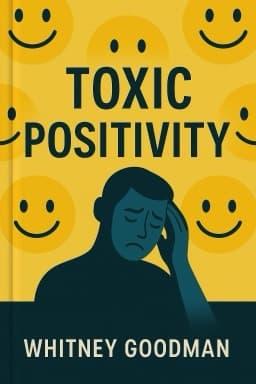
Many of us have become experts at pretending. We plaster on smiles, post curated happy moments online, and tell ourselves to 'just be grateful' even when we feel overwhelmed or broken inside. This exhausting performance is a hallmark of toxic positivity, which fuels self-shame and disconnects us from our authentic selves.
Pretending to be happy is emotionally draining and isolates us from genuine connection. We may tell ourselves 'I should be over this' or 'Others have it worse,' internalizing shame for natural emotional responses. Positive affirmations are often recommended, but if they feel false or out of alignment with our beliefs, they can worsen feelings of failure and depression.
Effective affirmations are believable, achievable, and supported by real actions. For example, replacing 'I love myself' with 'I am learning to be kinder to myself' creates space for growth. Journaling, mindful awareness, and sharing feelings with trusted listeners help regulate emotions and foster healing.
Consider Aly, who learned to pause and name her feelings instead of suppressing them, enabling her to set boundaries and seek support. This shift transformed her relationships and mental health.
Ending the cycle of self-shaming is a radical act of self-care that nurtures resilience and authentic joy.
Sources: Whitney Goodman's "Toxic Positivity" and psychological research on emotional authenticity 1 3
Want to explore more insights from this book?
Read the full book summary