
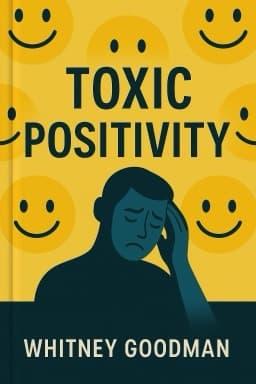
The Dark Side of Positivity: How 'Good Vibes Only' Culture Harms Us All
Exploring the cultural obsession with positivity and its unintended consequences

Positivity is often celebrated as a hallmark of strength and success. Yet, when positivity becomes a rigid rule rather than a flexible tool, it can backfire in profound ways. The cultural obsession with 'good vibes only' pressures individuals to suppress real feelings, leading to emotional disconnection and even harm.
In workplaces, enforced positivity can silence legitimate complaints and feedback. Employees may avoid raising concerns about harassment, excessive workloads, or toxic dynamics for fear of being labeled 'negative.' This groupthink stifles innovation and leads to burnout. Similarly, in healthcare, patients often feel pressured to maintain optimism even when facing serious diagnoses. This false hope can isolate them and prevent honest conversations about prognosis and needs.
Spiritual bypassing is another form of toxic positivity where faith is used to avoid or deny painful emotions. Individuals may be shamed for feeling anger, doubt, or grief, told that such feelings indicate weak faith. This avoidance hinders genuine healing and acceptance.
Take the example of a college student struggling with anxiety and faith doubts, caught between cultural messages to 'just be positive' and her inner turmoil. Through therapy, she learns to integrate spirituality with authentic emotional experience, embodying a balanced approach.
To counter these harms, we must cultivate a nuanced positivity that embraces complexity. This means creating spaces where vulnerability is welcomed, emotions are validated, and challenges are acknowledged without judgment.
By challenging the myth that positivity equals strength, we open the door to deeper resilience and authentic well-being.
Sources: Whitney Goodman's "Toxic Positivity" and related expert analyses 1 2 4
Want to explore more insights from this book?
Read the full book summary