
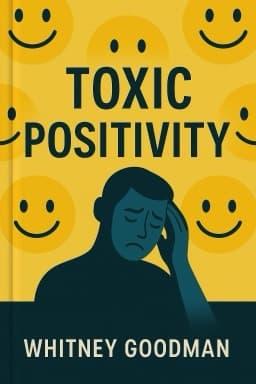
Why Toxic Positivity is Destroying Your Mental Health (And How to Fix It)
Unmasking the hidden dangers of forced positivity and embracing true emotional healing

In a world obsessed with happiness and 'good vibes only,' the pressure to maintain an upbeat attitude is everywhere. From social media feeds flooded with smiling selfies to well-meaning friends urging you to 'look on the bright side,' this relentless positivity might seem harmless or even helpful. But beneath the surface lies a darker truth: toxic positivity can be emotionally damaging and prevent genuine healing.
Toxic positivity is the excessive and ineffective overgeneralization of a happy and optimistic state that results in the denial, minimization, and invalidation of authentic human emotional experience. When we are told to 'just be positive' or 'think happy thoughts,' our real feelings—whether sadness, anger, or anxiety—are silenced. This emotional suppression can lead to increased stress, feelings of isolation, and even physical health issues like elevated blood pressure. It’s important to understand that emotions cannot be forced away; trying to do so often intensifies them.
Consider the story of Dave, who wore a constant smile despite struggling with addiction and emotional numbness. His relentless positivity became a shield preventing him from facing his pain and seeking help. This example highlights how toxic positivity can hinder growth and healing.
Moreover, toxic positivity is especially harmful in certain life situations, including grief, infertility, illness, discrimination, and mental health struggles. Phrases like 'Everything happens for a reason' or 'At least you have your health' may be intended to comfort but often invalidate the unique pain of the individual, deepening feelings of isolation.
To break free from this cycle, it’s crucial to stop shaming ourselves for negative emotions and to embrace emotional authenticity. Pretending to be happy is exhausting and disconnects us from our true selves. Positive affirmations can backfire if they don’t align with our current beliefs, so they must be believable and supported by real actions.
Labeling emotions through journaling, mindful awareness, or sharing with trusted listeners helps regulate emotional intensity and fosters healing. Complaining, when done constructively using 'I' statements and respectful tone, can build connection and reduce stress.
Supporting others also requires empathy balanced with boundaries. Without limits, caregivers risk burnout, and good intentions can unintentionally hurt if we don’t listen and adjust.
On a broader scale, toxic positivity can uphold systemic inequalities by silencing marginalized voices and avoiding uncomfortable truths. Real social change demands honest dialogue, acknowledgment of systemic barriers, and collective action.
Ultimately, fulfillment comes not from constant happiness but from embracing the full range of human experience and living a meaningful, values-driven life. By accepting struggle alongside joy, we cultivate resilience and authenticity.
Remember: You deserve more than just good vibes—you deserve to be fully seen, heard, and accepted.
This journey toward emotional authenticity is challenging but deeply rewarding, offering a path to true healing and connection.
For more insights, explore Whitney Goodman's book and related resources to deepen your understanding and practice.
Sources: Whitney Goodman's "Toxic Positivity" and various expert reviews and summaries 1 2 3 4
Want to explore more insights from this book?
Read the full book summary