
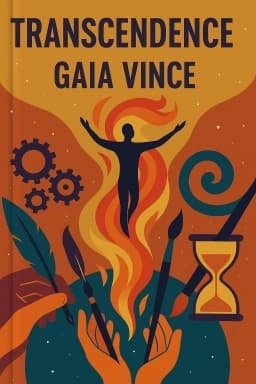
From Timekeepers to Planetary Stewards: How Humans Became the Architects of Earth’s Future
How our sense of time, planning, and collective responsibility made us the most powerful—and accountable—species on Earth.

What does it mean to be human? More than anything, it means to be a planner, a dreamer, a builder of futures. Our sense of time—our ability to remember the past and imagine the future—has made us the architects of civilization and the stewards of a living planet. 3
Ancient monuments like Stonehenge are not just mysteries—they are calendars, built to track the cycles of the sun and stars. The invention of agriculture depended on this foresight, allowing us to plant, harvest, and store food for seasons yet to come. 1
Today, we stand at a crossroads. Our impact is global: we move more earth than rivers, build cities that glow brighter than stars, and connect continents with invisible networks. We are the first species to understand our power and responsibility, to imagine different futures and choose among them. 4
The greatest challenge of our age is not just to survive, but to thrive together as planetary stewards. Our story is not over. In fact, it’s just beginning.
Want to explore more insights from this book?
Read the full book summary