
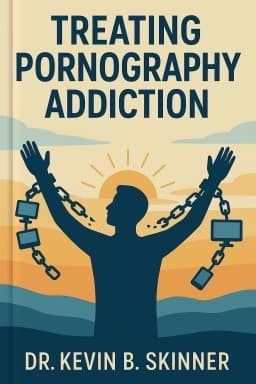
From Darkness to Light: A Step-by-Step Guide to Conquering Porn Addiction
Follow this detailed roadmap to break free and rebuild your life.

Breaking free from pornography addiction begins with understanding its roots. Early exposure during critical developmental years combined with family dynamics and emotional loneliness sets the stage.
The brain’s chemistry plays a pivotal role. Dopamine and endorphins create pleasure highs mimicking drugs, while reaction sequences form automatic mental loops that trigger compulsive behavior.
Negative beliefs act as invisible chains, justifying addiction and deepening shame. Challenging these beliefs through journaling and social support fosters hope and self-compassion.
Awareness is the bridge to action. Recognizing triggers and emotional states allows you to replace addictive behaviors with healthier alternatives. Consistent practice builds new neural pathways that sustain recovery.
Relapse is a signal, not failure. Stress and isolation are common triggers, but stress management techniques and strong social connections build resilience. Tools like journaling and community support enhance motivation and accountability.
Finally, living free means embracing integrity and compassion — living honestly and treating yourself and others kindly. Recovery is a lifelong journey of growth, learning, and renewal.
This guide offers a hopeful, science-backed roadmap from darkness to light, empowering you to reclaim your life.
Want to explore more insights from this book?
Read the full book summary